
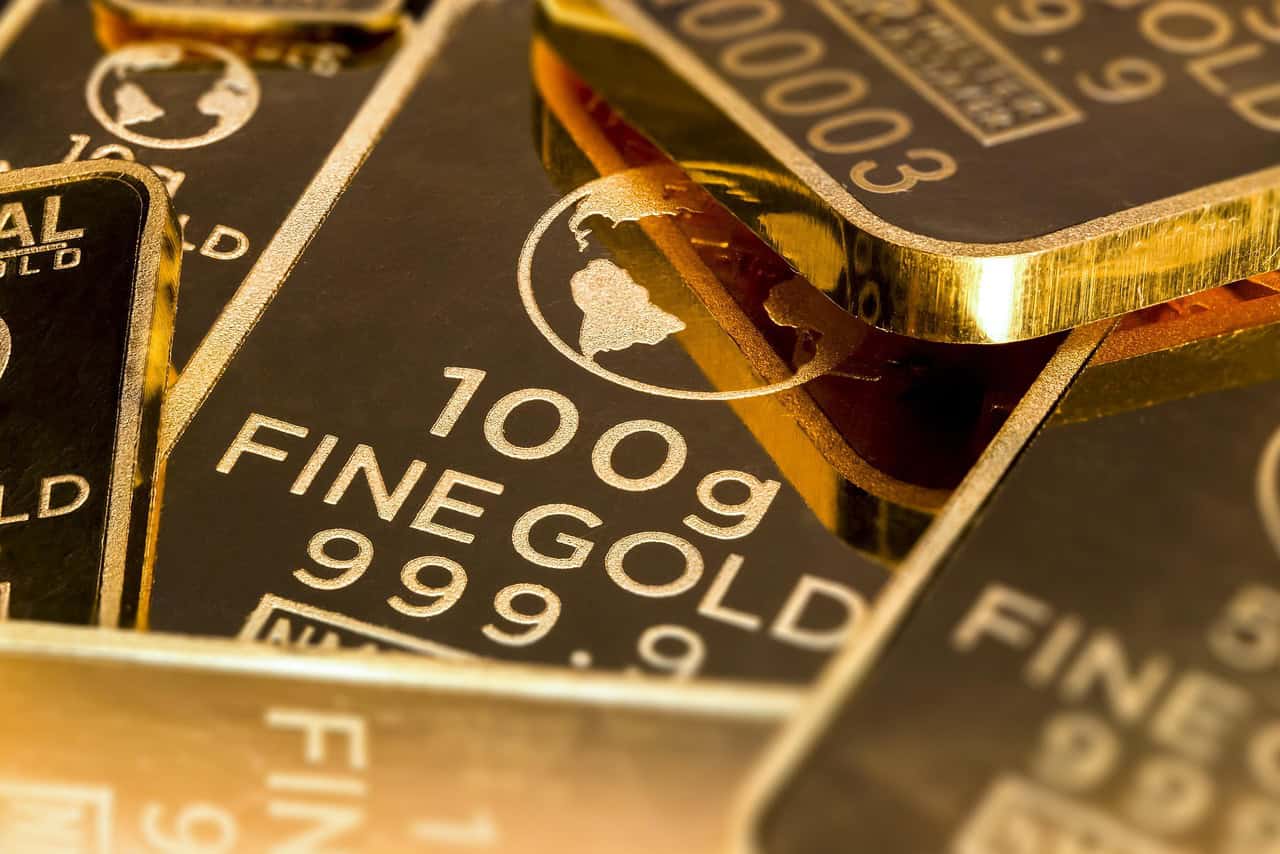

In a financial landscape marked by uncertainty, shifting markets, and geopolitical tensions, investors are increasingly looking for ways to safeguard their wealth. Bullion, particularly gold and silver, stands out as a reliable asset in these turbulent times. Here are five compelling reasons why bullion should be an essential component of your investment portfolio today.
1. A Hedge Against Inflation
Inflation is often lurking around the corner, threatening the purchasing power of your hard-earned money. As central banks print more currency, the value of that currency can diminish, leading people to seek refuge in tangible assets. Gold and silver, known for their historical ability to retain value, come into play here.
When inflation rises, the cost of goods and services typically follows suit. Investors who hold bullion can find some comfort in the knowledge that often, these precious metals appreciate in value when inflation is on the rise. As prices soar, bullion tends to shine, acting as a shield against the corrosive effects of inflation on fiat currency.
Moreover, the global economic climate has been unstable, with many countries experiencing fluctuations in their financial systems. This instability increases the allure of bullion as a protective asset. By diversifying into gold and silver, you can better insulate your portfolio from the unpredictable nature of inflation and economic downturns.
Even in a low-inflation environment, the tangible nature of bullion offers a sense of security that paper assets lack. Investors often feel a psychological comfort in knowing that their wealth is backed by something physical. This reassurance can be particularly valuable in times of market stress.
2. Portfolio Diversification
Diversification is a fundamental principle in investment strategy. It’s all about not putting all your eggs in one basket. By including different asset classes in your portfolio, you can reduce risk and improve your chances of better returns over time. Bullion plays a significant role in this diversification strategy.
Unlike stocks and bonds, which can be influenced by similar market conditions, bullion often behaves differently. When equity markets face volatility, precious metals may rise, providing a counterbalance to losses in other areas of your portfolio. This unique characteristic makes bullion an attractive option for those looking to mitigate overall portfolio risk.
Additionally, bullion holds its value independently of the economic cycle. In times of crisis, such as financial meltdowns or geopolitical conflicts, precious metals tend to outperform other asset classes. This resilience helps stabilize a portfolio, offering peace of mind in uncertain times.
By incorporating bullion into your investment mix, you not only add an element of security but also enhance your overall returns potential. It acts as a buffer and can contribute positively to your long-term financial health by smoothing out the bumps in the road associated with more volatile investments.
3. Global Demand and Limited Supply

The laws of supply and demand govern the value of any asset, and bullion is no exception. As global demand for precious metals increases, their value tends to rise. Factors influencing this demand include industrial uses, jewelry production, and central banks’ purchasing behavior.
In recent years, central banks have increased their gold reserves as a safeguard against economic uncertainties. This shift in behavior adds upward pressure on the price of bullion. Moreover, emerging markets, particularly in Asia, are driving demand for gold in both jewelry and investment forms. Such trends signal a long-term bullish outlook for precious metals.
On the supply side, mining is a labor-intensive process, and new discoveries of significant deposits have become rarer. As existing mines deplete their resources, the costs associated with extracting new bullion can rise, further elevating prices. The combination of increasing demand and limited supply creates a favorable environment for bullion investors.
Investing in bullion is not merely speculation; it’s a strategic move grounded in an understanding of market dynamics. The interplay between demand and supply ensures that bullion remains a valuable asset, likely to appreciate in value over time, making it a wise choice for any investor’s portfolio.
4. Safe Haven Asset
During times of geopolitical tensions or economic uncertainties, many investors flock to safe haven assets. Bullion, especially gold, has long been recognized as a secure store of value during crises. Its historical track record as a refuge during tumultuous times cannot be overlooked.
When markets are in turmoil, confidence in fiat currencies can waver. Investors often seek alternatives to safeguard their wealth, turning to precious metals as a reliable option. Unlike stocks or bonds, bullion is insulated from the pitfalls of economic fluctuations and can retain its value even when traditional markets are struggling.
The psychological factor also plays a role here. Investors feel more secure holding a tangible asset like gold. The idea that you possess something physical can provide a sense of stability that intangible assets can’t match. In this context, bullion acts as both a financial and psychological safety net.
Moreover, during periods of financial crisis, government interventions can lead to rampant currency devaluation. Bullion remains immune to these actions, preserving its value. Owning bullion means maintaining financial autonomy even when traditional markets face the storm, making it a crucial addition to a well-rounded portfolio.
5. Liquidity and Accessibility
One of the key benefits of bullion is its liquidity. Unlike some assets, such as real estate, which can take time to sell, bullion can be quickly converted into cash. This liquidity offers investors flexibility and peace of mind, knowing they can access their funds when needed.
Various platforms exist for buying and selling bullion, making it accessible to a wide range of investors. Trusted dealers like Money Metals Exchange offer a user-friendly way to invest in physical gold and silver, with transparent pricing and secure delivery options.
Whether through physical purchases, ETFs, or futures contracts, there are numerous avenues to add precious metals to your portfolio. This accessibility is increasingly important in fast-paced financial markets.
Furthermore, bullion is recognized globally, breaking down geographical barriers. An ounce of gold in one country is worth the same in another. This universality makes it a go-to choice for investors seeking to maintain value regardless of changing borders or currencies.
In uncertain economic climates, having liquid assets can provide a unique advantage. Investors can quickly pivot their strategies based on market movements, ensuring they’re always positioned for success. The combination of liquidity, accessibility, and universal recognition cements bullion’s role as a valuable asset in any investment portfolio.
In summary, bullion is more than just a shiny metal; it’s a multifaceted asset that offers inflation protection, diversification, supply-demand dynamics, safety during uncertain times, and liquidity. These five reasons illustrate why every investor should consider including bullion in their financial strategy today.

 Bitcoin
  Ethereum
  Dogecoin
  Litecoin