
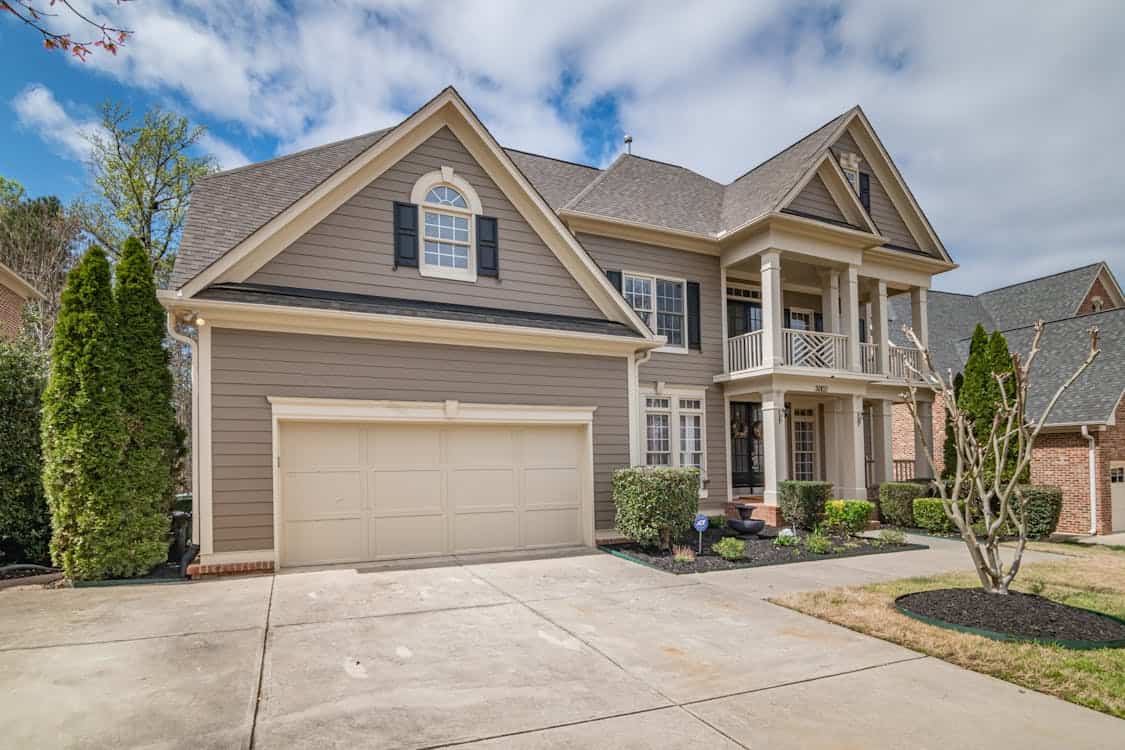

For four years the Brisbane 2032 Olympics existed mostly as renderings and arguments. That changed when the state government locked in Victoria Park as the site of the main stadium and set a construction timeline.
The design competition for the $2.3 billion stadium drew international firms, and the winning concept took its cues from the wraparound veranda of the traditional Queenslander house.
Whatever one thinks of building on parkland, the practical effect on the surrounding suburbs is already visible. Spring Hill, Herston, Kelvin Grove, and Bowen Hills sit inside the ripple, and property demand in that ring has firmed on the announcement alone.
When a precinct gets that kind of attention, the homes around it get looked at differently too.
Why Infrastructure Announcements Move Suburbs Early
Property analysts have a well-worn observation about major events. The biggest gains tend to arrive in the years before the event, not during it, as buyers position ahead of the crowd.
That pattern is playing out in inner Brisbane. The suburbs nearest the Olympic precinct are drawing investors and owner-occupiers who want to be inside the zone before the construction cranes become permanent fixtures.
More transactions mean more homes being prepared for sale, more rentals being turned over between tenants, and more owners deciding the time is right to tidy up an asset that has quietly appreciated.
The housing stock in these suburbs skews older, and a lot of it is the timber-and-tin Queenslander the stadium design borrowed from. Those homes are beautiful and they weather visibly, which is a relevant combination.
Painted weatherboard, timber fretwork, and aging roof sheeting all collect grime and growth in the subtropical climate, and all of it photographs badly when a property goes to market.
The Maintenance Reality of Older Inner-City Homes
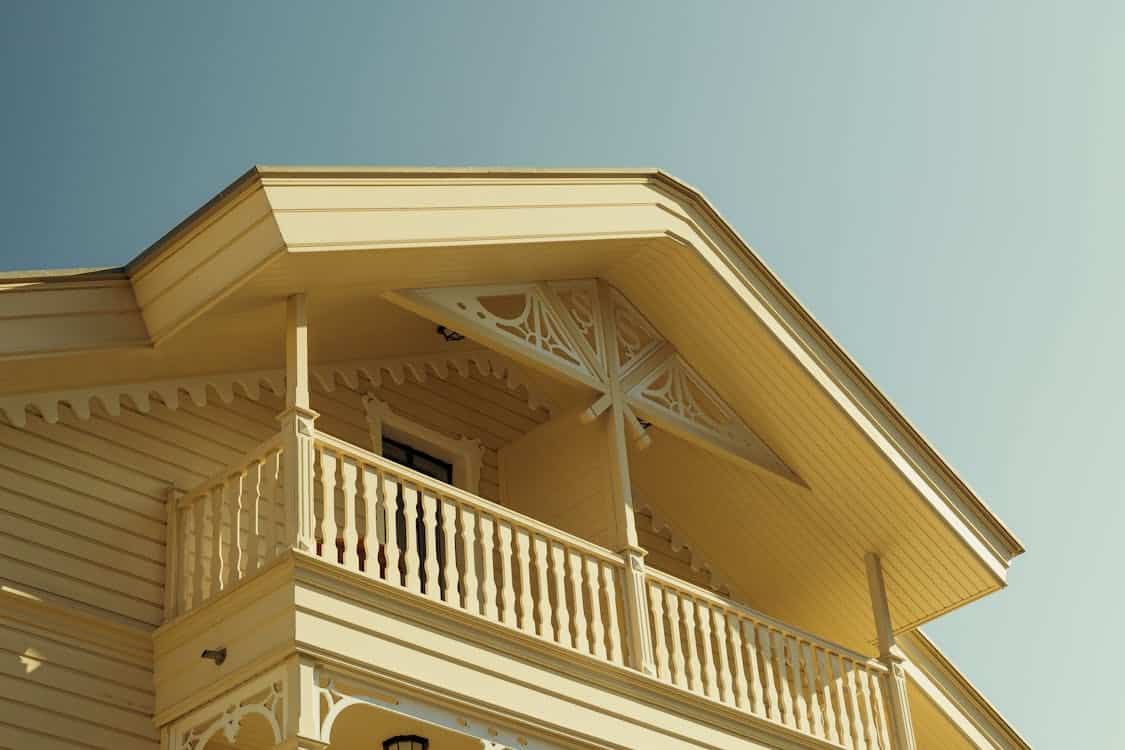
An older Queenslander cannot be cleaned the way a new render-and-brick home can. The surfaces are more delicate, and aggressive pressure can do real damage to paint and timber.
This is where method matters. Soft washing, which pairs low pressure with cleaning solutions, suits the painted and timber surfaces that dominate the inner ring, while harder surfaces such as driveways and paths can take more force.
For owners in these suburbs, sorting out reliable home washing in Brisbane has become part of the standard pre-sale routine, sitting alongside styling and minor repairs rather than competing with them.
The water-fed pole systems many operators now use are particularly relevant for the two and three-storey Queenslanders common around Herston and Spring Hill, because they allow upper levels and windows to be cleaned safely from the ground.
Heritage and character overlays add another wrinkle. Owners of protected homes are often cautious about anything that touches the facade, and a gentle wash is one of the few cosmetic improvements that does not run into planning rules.
A Decade of Disruption and Demand
The construction itself will not be quiet. A multi-billion-dollar build in inner-city parkland means years of dust, trucks, and earthworks moving through nearby streets.
That dust does not stay on the site. Homes downwind of major construction tend to accumulate a fine grit on walls, windows, and outdoor areas, and that is a recurring cleaning need rather than a one-off.
Commercial premises in the precinct face the same issue, often with a stronger incentive, because a tired-looking shopfront in a suburb suddenly full of attention is a missed opportunity.
The broader delivery plan stretches venue work and upgrades across the region through the back half of the decade, so the disruption is not a single season but a long arc.
For the suburbs closest to Victoria Park, the next several years will mean rising values, more property turnover, and a steady film of construction dust. All three point in the same direction for anyone maintaining a home in the zone.
The Olympics are still years away. The effect on how inner-Brisbane homes are bought, sold, and kept presentable has already started.

 Bitcoin
  Ethereum
  Dogecoin
  Litecoin