

Fire blankets belong in the family safety kit the same way a first aid pack does, and they often repay their space with quiet usefulness when small flames appear. These simple sheets are built to suffocate flames fast, reduce heat transfer, and give people a chance to act without adding extra chaos.
Learning where to keep one, how to deploy it, and when to opt for a different tool will change how a home copes with routine fire risks. With a blend of clear steps and a few practical habits, a household can increase resilience and keep common accidents from turning truly severe.
What Is A Fire Blanket?
A fire blanket is a woven or folded fabric that resists high temperature and is made to smother flames by cutting off their oxygen supply. Most models come with clear instructions printed on the pouch and are sized for kitchen spills or small clothing fires.
The construction typically involves glass fibre or treated textiles that will not burn easily under brief exposure to flame. Families should think of a blanket as a direct response tool for close range small fires where a spray device might scatter burning material.
How Fire Blankets Work
A fire blanket works by enclosing the flame area, removing the air supply that combustion requires, and cooling the surface beneath over a short interval. Once wrapped, heat transfer from the burning object is limited and the fuel can no longer maintain flame motion.
The technique relies on quick placement and keeping the blanket in position long enough for the fire to go out and the object to cool down. Users should avoid lifting the blanket too early to check the object so embers do not flare up again.
Types Of Fire Blankets
There are several common types that differ in size, fabric, and packaging for home use and professional settings. Home kitchen models are compact and often come in a labelled pouch for quick access, while larger units suit garages, barbecues, or workshop benches.
Some blankets feature looped corners for easier handling and red tabs to pull the cloth free with minimal fumbling. The material will vary from woven glass fibre to silica treated fabrics, each rated for different maximum temperature thresholds.
For extra peace of mind, the Cobra Fire Blanket handles electrical and wood fires, so small incidents in workshops or kitchens are dealt with safely and effectively.
When To Use A Fire Blanket
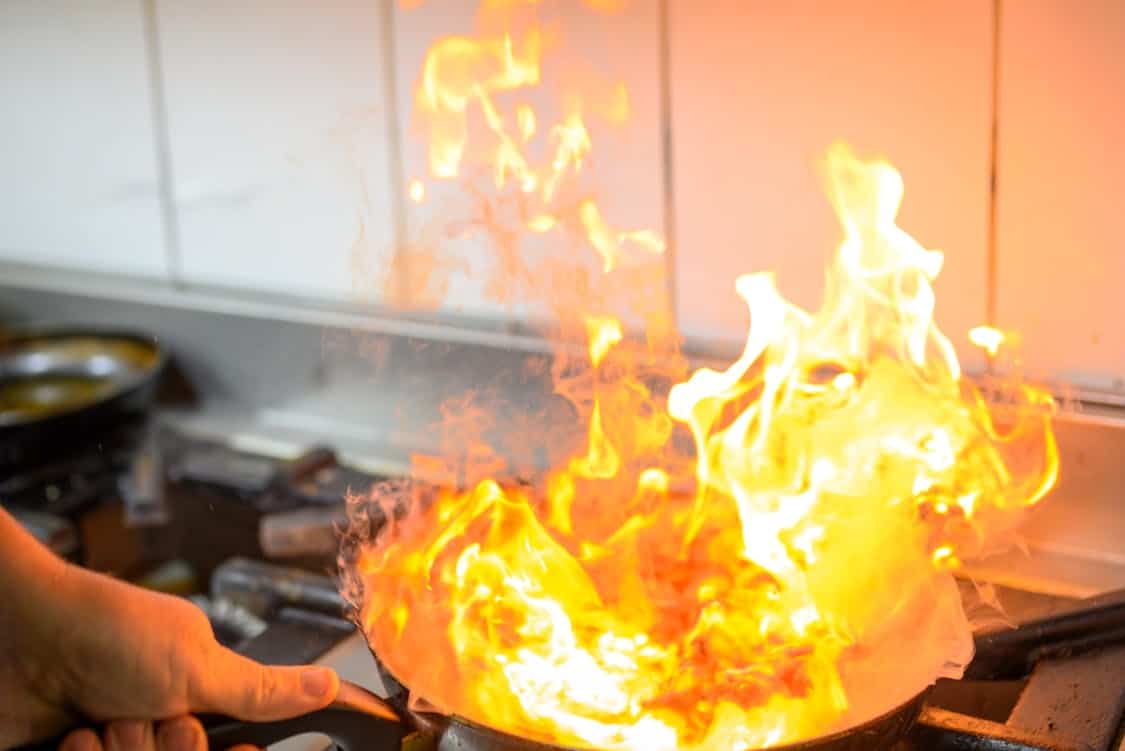
A fire blanket is best used on small contained fires such as a pan that has caught flame or a light clothing fire where wrapping is practical. It is not the right tool for large room fires or spreading flames where escape and an emergency call must take priority.
Using a blanket can be faster than operating a spray device when the user is close to the seat of fire and can remain safe during the action. If breathing conditions degrade or flames keep spreading beyond the blanket coverage, withdrawing and calling for help is the sensible step.
How To Use A Fire Blanket Safely
First, remove the blanket from its pouch and hold the top edge with both hands to make a shield between you and the fire source. Approach slowly and lower the blanket onto the fire to cover it fully without tossing, which can feed the flames by creating air movement.
Leave the blanket in place for a length of time that allows the object to cool, and then slide it gently off once heat has dropped to a safe level. After use, treat the cloth as a single use item if it has been exposed to flames or heavy heat and replace it promptly.
Where To Place And Store One
Place a fire blanket near likely ignition points such as cooking stations, grill areas, or a workbench where solvents or hot tools are used. The pouch should hang at reachable height and not be blocked by pantry items, oven racks, or stacked boxes that could slow retrieval.
Avoid storing the blanket inside a locked cabinet that a person may need to open when time is short during an emergency. A visible red or white pouch with clear labeling makes it easier for everyone to spot the device fast under stress.
Maintenance And Inspection Tips
Check the pouch and the cloth occasionally to confirm there are no tears, water damage, or heavy stains that indicate previous exposure to heat or chemicals. Look for any change in fabric texture or markings that signal the material lost some of its protective quality after misuse.
Replace the unit after a single heavy use or as soon as any part looks compromised, because a weakened blanket can fail when most needed. Keeping a small log of purchase dates and replacements helps a household keep the kit current without guesswork.
Training Household Members
A brief practice session that covers removal, placement, and safe retreat will make a real event far less chaotic for all household members. Walk through the steps slowly at first and then repeat once so that muscle memory forms for the quickest motions that matter.
Teach children to fetch the blanket while adults take charge, and stress that only a calm close approach will work safely near a flame. Low stress rehearsal removes a lot of the panic that otherwise makes accidents worse and keeps everyone clearer on who does what.
Common Mistakes To Avoid
One frequent mistake is attempting to tackle a large fire with the blanket rather than prioritizing escape and calling emergency services for help. Another error is lifting the blanket too soon which allows smoldering material to re ignite suddenly and catch again.
People sometimes keep the pouch hidden inside a drawer that would slow response time when seconds count. Avoid tossing the blanket or making fast sweeping motions that could spread embers; steady placement is the correct move.
Fire Blankets Versus Fire Extinguishers
Fire blankets and fire extinguishers can complement one another but serve different roles in a household safety plan. Blankets excel at smothering small localized fires and providing a surface to wrap a person who has caught light, while extinguishers are designed to spray a range of agents onto spreading flames.
A home benefit comes from having both nearby, because a blanket can stop a pan fire and an extinguisher can help with an engine or waste bin fire that begins to grow. Training with each device helps the household decide which tool best matches the moment and whether evacuation is a safer option.

 Bitcoin
  Ethereum
  Dogecoin
  Litecoin