
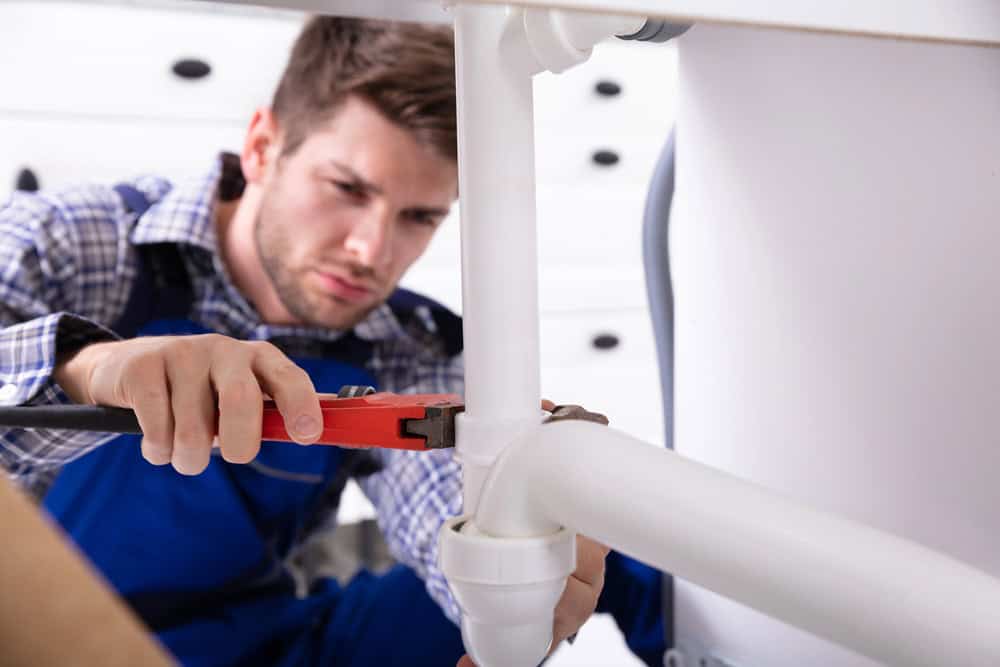

Homes harbor surprises, and a slow water leak is one that can quietly nibble away at walls, floors and peace of mind. Early detection saves time, money and the hassle of major repairs, so spotting subtle cues pays dividends.
This short guide gives focused, usable signs and steps to find leaks before they blow up into big jobs.
Signs to Watch For Inside Your Home
Warm spots or oddly cool patches on floors or walls are red flags that warrant follow-up, since moisture changes thermal and tactile properties. Tiny, recurring puddles or slow wetness on basement floors often trace back to a hidden crack or joint failure rather than spilled water.
Watch for paint that blisters or wallpaper that begins to peel; those visual cues are classic leak fingerprints. A stitch in time saves nine, so treat early oddities as worth checking instead of shrugging them off.
How to Use Your Water Meter to Spot Flow
Turn off every fixture and appliance that uses water, then note the meter reading and wait a half hour without running anything to watch for unintended movement. If the dial ticks or the digital readout shifts, unseen water is on the move somewhere in the piping network.
Repeat the check at different times of day to rule out intermittent flows that mask themselves when usage spikes. Meter checks are low-tech, cheap and often the first, best nudge that a hidden leak exists.
Listening For Clues in Walls And Floors
Quiet houses reveal the soft hiss, drip or trickle that pipes make when a leak is active, and trained ears or simple listening devices pick that up readily. Move close to baseboards, around plumbing chases and beneath sinks, and cup a hand to your ear for amplified sound; you’ll hear more than an empty room gives away.
Acoustic tools used by pros translate faint noises into clear signs, especially when flow is low and invisible. Pay attention to timing: some leaks whisper at night when ambient noise drops, making detection easier.
Visual Inspection of Ceilings, Walls And Flooring
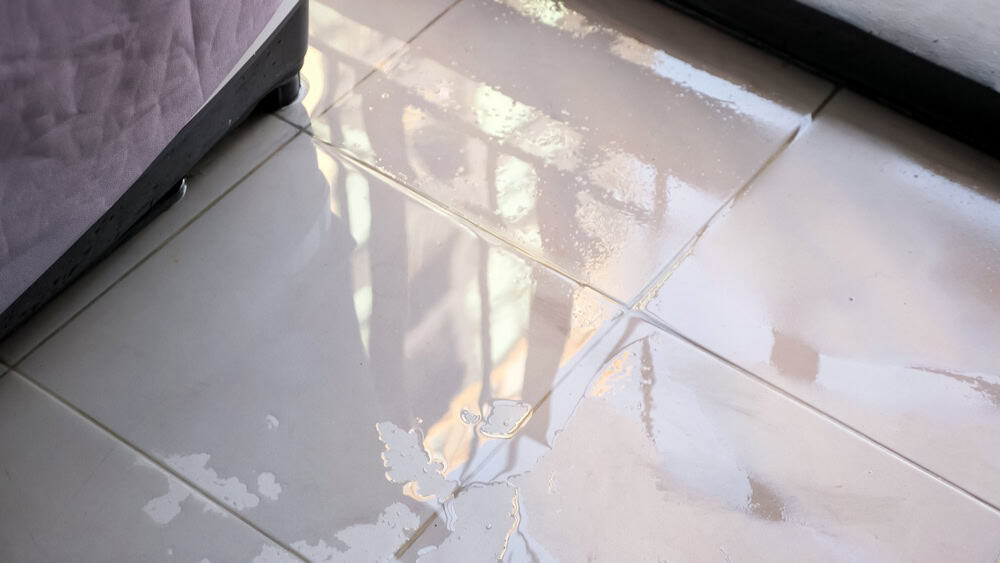
Ceilings with brownish rings or subtle bulging tell of a leak above, often from bathroom condensate or supply lines feeding upstairs fixtures. Floors that warp, lift or spongily yield underfoot suggest moisture beneath finish layers, where pipes could be sweating or weeping at joints.
Trim baseboards and inspect behind access panels for mottled drywall, efflorescence or mineral streaks that indicate long-term seepage. A close look often separates temporary spills from chronic pipe leaks that demand action.
Simple Tests For Toilets And Fixtures
Drop a dye tablet or a few drops of food coloring into the toilet tank and watch the bowl for color migration without flushing, which reveals silent flappers or wrecked seals. Place a paper towel under supply lines and fittings, then check hourly for fresh dampness that betrays micro-leaks invisible to casual glance.
Tighten loose nuts gently and observe whether the slow drip stops, keeping in mind that overtightening can damage threads and worsen the problem. Routine fixture tests are fast, low-cost ways to find and stop many leaks early.
Tracking Water Bills And Usage Trends
A steady upward drift in monthly water charges without corresponding household changes often signals hidden consumption that needs tracking down. Compare similar months year to year to factor out seasonal variation, and calculate per-day usage to detect subtle excess flow.
Spikes following appliance replacements or recent plumbing work point to human-caused errors, while gradual rises suggest slow leaks. Habitual bill checks act like an early-warning system if you know how much baseline water your daily life typically uses.
When to Call A Professional
If visual checks and meter tests point to a problem but you cannot locate it, specialists bring thermal cameras and listening gear that pin down leaks behind concrete, tile or heavy insulation.
Thermal imaging maps temperature differences caused by moisture, while acoustic correlators convert sound pulses into a precise location along a pipe run. Professional pinpointing keeps destructive opening of floors and walls to a minimum and speeds repair planning.
If you’re in the area and need expert help, the Shah Alam branch of Mr Plumber offers reliable leak detection and repair services that can save you from costly water damage.
Accessing Hard-to-reach Areas Safely
Before prying panels or drilling inspection holes, check for electrical wiring and gas lines and shut off power if you must work in tight, damp areas to avoid shocks. Use flashlights with focused beams, extendable mirrors and moisture meters to probe cavities with minimal intrusion.
When crawling into attics or under houses, wear protective gear and ensure stable footing; safety shortcuts can lead to injury that dwarfs a plumbing headache. Simple prep reduces risk while letting you confirm whether a hidden leak demands immediate action.
Repair Options And Short-term Patches
Minor pinholes and loose joints sometimes accept a clamp, epoxy wrap or sealing compound that buys time until a permanent repair can be scheduled. For areas under tile or inside slab foundations, grout repairs and targeted sealants may slow seepage, yet permanent fixes often require pipe replacement or rerouting.
Weigh short-term patches against full fixes by estimating downtime, cost and the chance the temporary measure will hold. A temporary stopgap can be a smart move when the weather, budget or scheduling prevents immediate full repair.
Daily Habits That Cut Leak Risk Long Term
Trim water pressure to safe levels with a pressure-reducing valve if your readings often exceed recommended limits for household plumbing. Replace worn washers, old hoses and corroded valves during routine maintenance, since many hidden leaks begin as tiny failures in aging parts.
Inspect exposed pipes seasonally for early corrosion or stress, and keep a simple leak kit—pliers, tape, epoxy—handy for immediate minor responses. Nip small issues in the bud, and you avoid the heartache and cost of a major water event that could have been prevented.

 Bitcoin
  Ethereum
  Dogecoin
  Litecoin