


Losing teeth can change how you eat, speak, and smile, and it can affect self confidence, social interactions, and even the way your face looks over time. Two main paths run toward filling those gaps, removable dentures and fixed dental implants, and each path brings distinct steps, timelines, and trade offs.
Choosing between them often rests on the health of gums and jaw bone, practical budget limits, and how much time a person can spend in treatment and healing. A clear sense of what comes next helps people set expectations and avoid surprises during care.
Causes Of Tooth Loss
Tooth loss most commonly results from untreated dental decay that eats away at the tooth structure or from chronic periodontal disease that undermines the supporting tissues, leaving teeth loose and vulnerable.
Physical trauma from a fall, a sports collision, or a heavy bite can produce an immediate gap that calls for urgent attention.
Some medical conditions and therapies affect bone density or blood supply and increase the risk of losing teeth over time, which is why a full health review often accompanies dental planning. Habits such as smoking and long term neglect of oral care raise the odds of needing a prosthetic solution at some point.
Types Of Dentures
Dentures are available in several formats to match the number of missing teeth and the condition of remaining oral structures, ranging from full sets that replace all teeth to partial frameworks that clip onto existing teeth.
Conventional removable dentures rest on the gums and use suction, natural undercuts, or metal clasps for retention, while interim or immediate prostheses provide a stop gap solution after extractions.
Implant supported overdentures attach to small implants and offer markedly improved stability, chewing efficiency, and comfort compared with loose plates. Material choices, tooth arrangement, and the quality of the fit all affect function, speech, and appearance.
How Dentures Are Made And Fitted
The denture journey begins with a thorough oral exam and precise impressions that capture the contours of gums and the paths of natural movement so that the restoration will sit properly.
Skilled technicians build the base and set the teeth in wax first, allowing the patient to try on a mock up, make aesthetic choices for shape and color, and test the bite before final processing.
Once the prosthesis is processed, the dentist trims and adjusts the fit in clinic, addressing sore spots and refining how the upper and lower surfaces meet for comfortable chewing. A few follow up visits are common, as minor relines and occlusal tweaks help the prosthesis settle in and function more naturally over weeks.
How Dental Implants Work
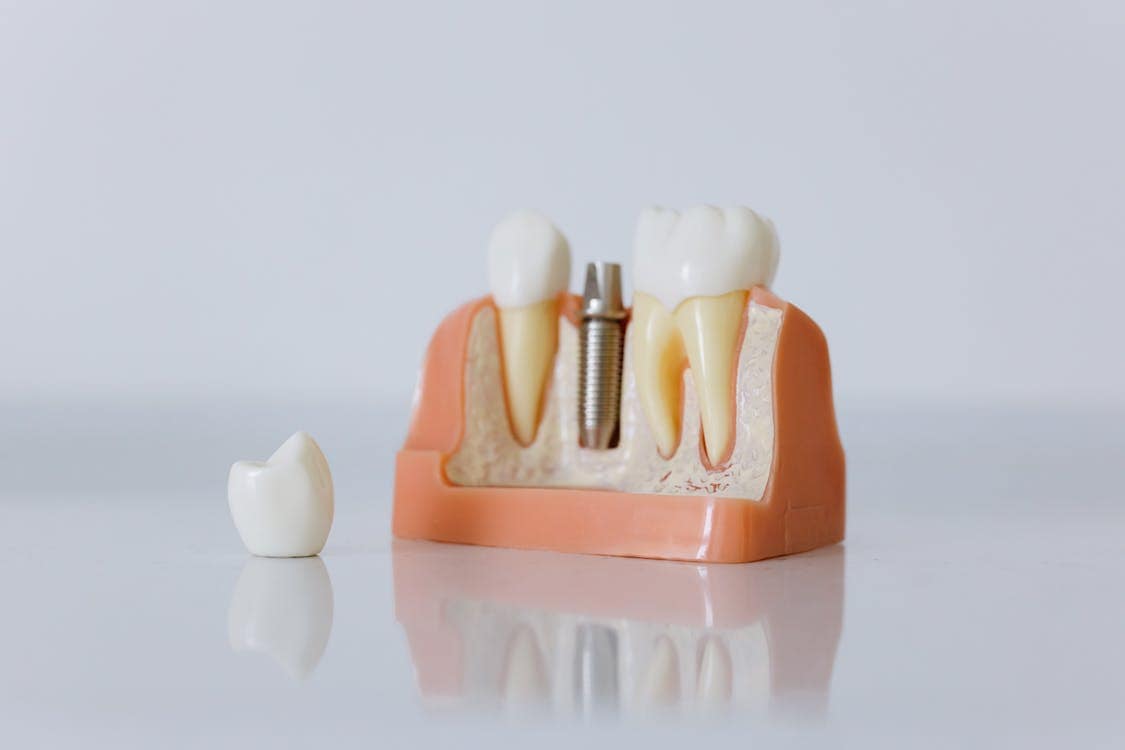
A dental implant replaces a tooth root with a biocompatible post that is surgically inserted into jaw bone and acts as a stable anchor for the visible replacement. Over several months the bone bonds tightly to the post, a biological process that creates a long term foundation capable of handling normal chewing forces without rocking.
An abutment fastens to the post and supports a custom made crown, which is shaped and shaded to match nearby teeth so the restoration blends into the smile. Multiple posts can link together to support bridges or full arch prostheses that restore function for many missing teeth.
The Implant Procedure
Preparing for implants starts with 3D imaging and medical screening to map bone volume, locate nerves, and check for conditions that could affect healing, so the team can plan placement precisely.
When bone volume falls short, grafting procedures use bone material or stimulatory products to rebuild the ridge and create a foundation, a step that extends the timeline but opens the door to fixed solutions.
During surgery the clinician places the post into a prepared socket with careful torque control, then closes the tissues and allows time for osseointegration to occur without load on the site.
After the implant integrates, an abutment and definitive crown or prosthesis are attached, followed by tests of bite and comfort before regular maintenance begins.
Choosing Between Dentures And Implants
Deciding which route to take involves weighing how quickly a person needs teeth, the state of bone and gums, upfront budget, and tolerance for surgery and recovery time, so trade offs become clear when facts are laid out.
Dr. Kimmel recommends discussing both dentures and implants with a qualified dentist to choose the option that best fits your lifestyle and oral health.
Dentures require less invasive preparatory work and can be delivered in weeks, giving fast cosmetic and functional improvement, while implants require surgery, healing time, and a larger initial investment but offer a longer lasting and more natural feeling result.
Implants also help preserve the jaw by transmitting chewing forces into bone, which slows the shrinkage that otherwise occurs after tooth loss, whereas traditional dentures sit on the ridge and do not stop that gradual change.
Many clinicians match the method to the patient, sometimes combining implants with removable prostheses to reduce slipping and improve chewing without a full implant financed plan.
Care And Maintenance Of Replacements
Daily care differs by appliance, with removable dentures needing gentle brushing, periodic soaking in a cleanser, and careful handling to avoid drops that can fracture acrylic or teeth.
Ill fitting dentures, loose attachments, or damage require clinic attention rather than home fixes, since improper repairs can worsen sores and accelerate ridge loss.
Implants demand the same rigorous home care as natural teeth, including flossing around the abutment and cleaning under bridges or implant retained prostheses to prevent gum inflammation.
Regular professional exams and hygiene visits let the dentist monitor bone levels and soft tissue health and keep restorations functioning without surprise problems.
Costs And Insurance Factors
Costs for tooth replacement span a wide range and depend on choices such as a single crown over one implant, a bridge supported by two implants, or a complete denture solution, with materials and lab time playing a large role in final price.
Some dental plans include coverage for partial or full dentures and offer limited help for implant work, and patients should review policy details carefully if insurance is expected to carry some of the load.
Many clinics offer financing or staged treatment plans that divide work into phases, which can make a higher cost option more attainable over time.
When judging value it helps to look beyond the sticker price and factor in likely maintenance, the expected lifespan of the restoration, and how the option will support daily life and nutrition.
Living With New Teeth
Adapting to new teeth is a short process for many people, with speech and bite improving as the lips, cheeks, and tongue learn the new contours and chewing patterns.
Early meals often include soft foods and smaller bites, and training in how to chew to both sides speeds up comfort and reduces sore areas that can form with uneven pressure.
If irritation, looseness, or unexpected pain appears, quick contact with the dental team allows small issues to be adjusted before complications set in, and clinicians expect to tune the fit while tissues settle.
After a few weeks most patients report improved confidence, easier eating, and a willingness to smile more, which can change daily life in ways both small and large.

 Bitcoin
  Ethereum
  Dogecoin
  Litecoin