


Recent legislative developments in the European Union have ushered in a new chapter for mobile applications, particularly for iPhone users.
With the introduction of new regulations, the EU aims to dismantle monopolistic practices that have long governed app distribution on platforms like Apple’s App Store.
This shake-up promises to provide users with a wealth of new choices, enhancing the mobile experience significantly.
The Digital Markets Act: What’s New?
In March 2022, the EU approved the Digital Markets Act (DMA), targeting major tech companies like Apple. This law mandates that these companies cannot restrict alternative app stores or payment systems on their devices.
Simply put, it opens the floodgates for developers to offer their apps through various channels, not just the App Store.
This change could mean that iPhone users will soon have access to a broader range of applications, including those that may have faced rejection from Apple’s stringent guidelines.
With this additional choice comes the potential for more innovative and diverse applications to thrive, leveling the playing field for developers with unique offerings.
The Impact on Developers and Users
For developers, the new laws represent a significant shift in how they can reach consumers.
Traditionally, developers had to adhere to Apple’s strict policies and often faced high fees associated with app distribution through the App Store.
Now, they can explore alternative routes, potentially lowering costs and increasing their visibility in a crowded market.
From the user’s perspective, this means greater freedom of choice. Imagine wanting to use a specific service or app that was previously unavailable on iOS.
With broader access, users can select from various apps based on personal preferences and needs rather than being limited to what’s available in the App Store.
Thanks to the EU’s new DMA policy, this shift will allow users to explore a wider range of applications, opening doors to more personalized digital experiences.
The Rise of Third-Party App Stores
One of the most anticipated outcomes of the DMA is the emergence of third-party app stores. These platforms could offer a variety of apps that cater to specific niches, providing options that Apple may not prioritize.
Developers may find success by targeting specific audiences, creating an ecosystem that promotes innovation and diversity.
For example, a gaming-focused app store might promote indie developers and unique titles that lack visibility on mainstream platforms.
This can also lead to competitive pricing strategies, giving users more options to find apps that fit their budget.
Payment Systems: A Game Changer
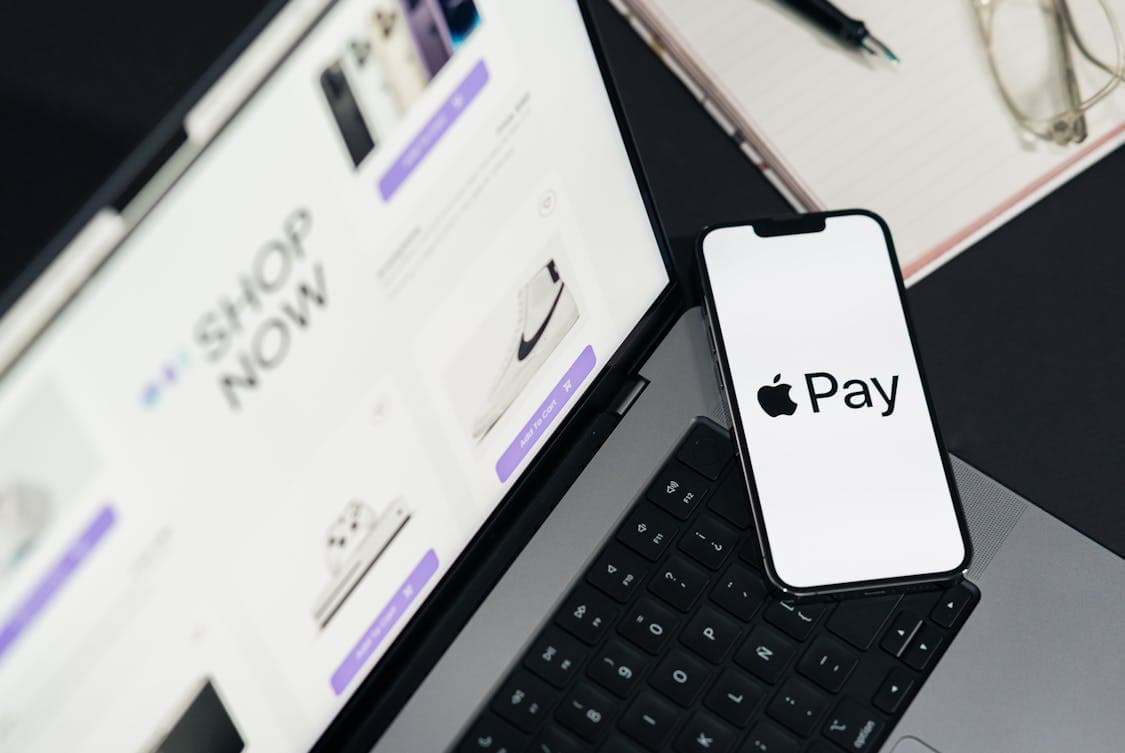
Another critical feature of the new EU legislation is the allowance for alternative payment systems. iPhone users have long been accustomed to Apple’s payment system, which takes a percentage of every transaction.
With the DMA, developers can now implement different payment methods that might lower costs for users.
Imagine purchasing an app or subscription through a developer’s direct payment system, potentially sidestepping Apple’s hefty fees.
This change may lead to lower prices for users and encourage developers to offer more competitive rates on in-app purchases and subscriptions.
Security and Privacy Considerations
While the new regulations open doors for more app choices, they also raise concerns regarding security and privacy. Apple has built its brand on the promise of user safety and data protection.
With the introduction of third-party app stores and payment systems, users may have to navigate a landscape where not all apps meet the stringent security standards Apple typically enforces.
Users should remain vigilant and consider the source of the applications they choose to download.
Looking for reviews, checking developer credentials, and understanding data privacy policies will become increasingly important in this new environment.
User Experience and App Quality
Increased competition can lead to a richer user experience, but it also raises questions about app quality. The App Store’s rigorous review process often ensures that apps meet certain standards before reaching users.
With more developers now able to bypass this scrutiny, there’s a potential risk that some applications may not uphold the same level of quality.
Users may need to become more discerning when choosing apps, reading reviews, and considering ratings before downloading.
The rise of user-generated content and feedback mechanisms could play a significant role in helping users make informed decisions in this new app landscape.
The Future of App Development
The new EU laws could significantly shape the app development industry.
With a broader array of distribution options, we might see an influx of creative ideas and innovative applications that wouldn’t have made it through the traditional channels.
This potential surge could stimulate an environment where ideas flourish, and developers can experiment without as many restrictions.
As developers embrace these opportunities, we can expect to see more localized and specialized applications. For instance, small developers might create apps tailored to specific communities or interests, enriching the overall app ecosystem.
The Challenge for Apple
Apple faces a unique challenge in adapting to this new landscape. The company has built its reputation on providing a secure and curated app experience.
As third-party app stores gain traction, Apple must find ways to balance user safety with the need to support these new developments.
An immediate response could involve enhancing their own offerings to retain user loyalty.
This may include improving the App Store’s functionality, presenting exclusive apps, or reducing fees for developers to keep competition at bay.
User Empowerment and Choices
The new regulations empower users in ways not seen before. By breaking the monopolistic grip of major tech companies, the EU is giving users the power to choose what applications they download, how they pay for them, and from where they access them.
This shift means that users can curate their mobile experiences, selecting apps that truly meet their needs and preferences.
With the ability to sidestep traditional app marketplaces, users are likely to feel more in control of their mobile environments.
The emphasis on choice aligns with the broader societal push for consumer rights, ensuring that the power is back in the hands of the users.
The Broader Implications for Global Tech Policies
The EU’s approach to regulating the digital market may inspire similar movements in other regions. Countries around the world are observing the ramifications of the DMA, and we could see ripple effects leading to legislative changes elsewhere.
As different regions begin to adopt similar frameworks, the app landscape might undergo a global transformation, fostering a more competitive market that prioritizes user experience and developer creativity.

 Bitcoin
  Ethereum
  Dogecoin
  Litecoin