


Art Brut, or “raw art,” is a term coined by French artist Jean Dubuffet in the mid-20th century. It refers to works created by untrained artists outside the traditional art world.
These creators often include those living on the fringes of society, such as the mentally ill, the incarcerated, and the outsiders. Their art is characterized by a raw, unpolished approach that starkly contrasts with mainstream art practices.
This movement champions a sense of authenticity and a direct expression of emotion. Art Brut provides a canvas for voices that might otherwise go unheard.
The artists who create within this genre often disregard conventional techniques and art education, opting instead for instinctive forms of expression.
Their works resonate with a sense of urgency, powerful narratives, and a unique aesthetic that captivates audiences.
The Origins of Art Brut
The origins of Art Brut can be traced back to Dubuffet’s fascination with the work of psychiatric patients. He believed that these artists, free from the constraints of societal norms, produced art that was genuine and unfiltered.
Dubuffet advocated for the appreciation of this artwork, emphasizing that it should be viewed on its own terms.
In 1945, Dubuffet founded the Collection de l’Art Brut in Lausanne, Switzerland, to house and promote this genre.
The collection became a pivotal point for the movement, showcasing works that celebrate the unique perspectives of self-taught artists.
This initiative sparked greater interest in the value of non-conventional art forms, paving the way for future generations of artists who found inspiration in the raw creativity of their predecessors.
Characteristics of Art Brut
Art Brut is marked by its distinct characteristics, which set it apart from traditional art. One of the most notable traits is the absence of formal training.
Artists often utilize unconventional materials and techniques, creating pieces that are spontaneous and direct. This leads to a vibrant array of colors, forms, and textures that speak to the viewer’s emotions.
Themes in Art Brut frequently touch on personal experiences, mental struggles, and societal issues. The artists’ backgrounds often influence their work, resulting in a narrative that is deeply personal yet universally relatable.
Works may include drawings, paintings, sculptures, and mixed media, each reflecting the artist’s individuality and the rawness of their emotions.
The Impact of Art Brut on Contemporary Art
The influence of Art Brut on contemporary art is profound. Many modern artists draw inspiration from the movement, incorporating elements of raw expression into their own work.
The appreciation of outsider art has expanded, with galleries and museums increasingly showcasing pieces from this genre.
This shift has led to a broader understanding of what constitutes art. No longer confined to established definitions, the art world now embraces diverse expressions.
This has opened doors for artists who may not fit into the traditional mold, encouraging experimentation and innovation in artistic practices.
The Role of Institutions in Promoting Art Brut
Institutions play a crucial role in the promotion and preservation of Art Brut. Museums dedicated to this genre, such as the aforementioned Collection de l’Art Brut, provide a platform for artists to showcase their work.
These institutions often host exhibitions, lectures, and workshops that educate the public about the significance of Art Brut.
In recent years, several galleries have emerged, focusing specifically on outsider art. These spaces provide a nurturing environment for artists often overlooked by the mainstream.
By creating opportunities for exhibition and sales, these institutions contribute to the sustainability of the art form and the livelihoods of the artists involved.
Notable Art Brut Artists
Several artists have become icons within the Art Brut movement. One of the most renowned is Aloïse Corbaz, a Swiss artist known for her vivid and colorful works.
Her art often reflects her experiences in a psychiatric institution, showcasing a blend of fantasy and reality that captivates viewers.
Another significant figure is Adolf Wölfli, who created intricate drawings and stories during his time in a mental asylum.
His works are characterized by detailed patterns and narrative complexity, highlighting the interplay between creativity and mental health.
Wölfli’s art continues to inspire and provoke thought about the relationship between madness and artistry.
The Emotional Depth of Art Brut
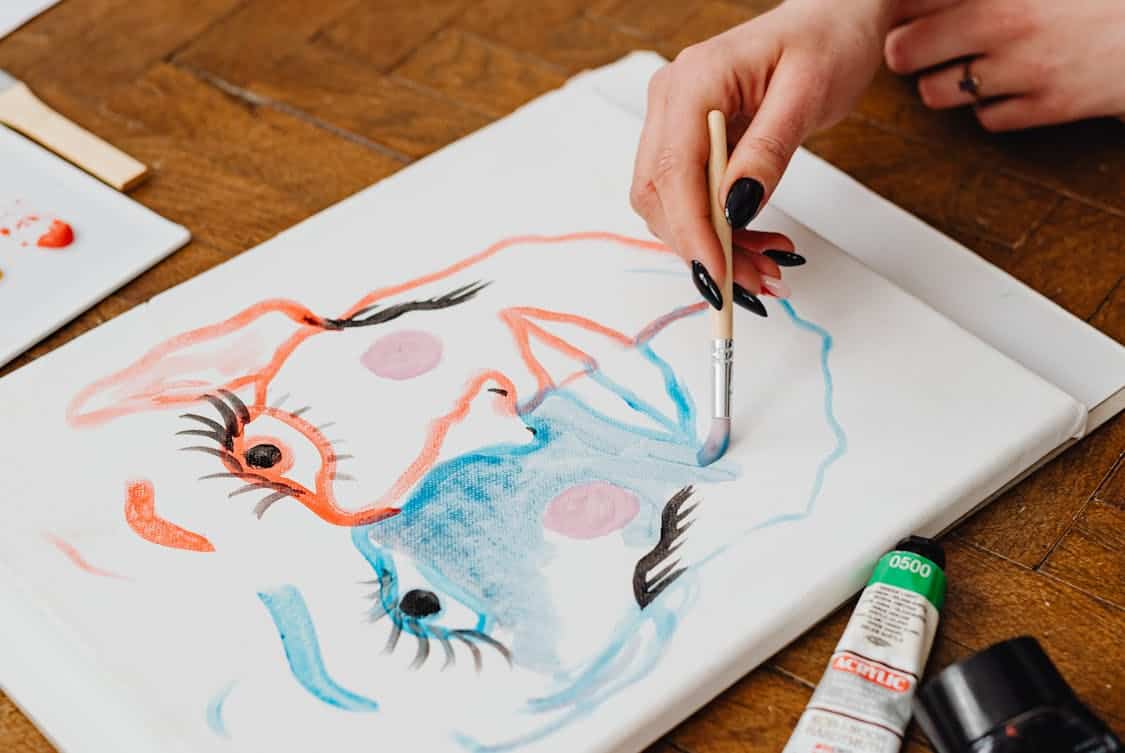
One of the hallmarks of Art Brut is its emotional depth. The artists’ personal experiences are often woven into their creations, allowing viewers to connect with their work on a profound level.
The rawness of the emotion conveyed in these pieces can be both unsettling and beautiful. These pieces are often regarded as artwork that set new benchmarks in art, redefining what art can express about the human experience.
Many Art Brut pieces are visceral, reflecting struggles with identity, trauma, and the human condition. This emotional honesty invites discussions about mental health and societal perceptions.
It provides a mirror to the viewer, prompting self-reflection and empathy.
The Market for Art Brut
The market for Art Brut has seen significant growth, with collectors increasingly drawn to the authenticity and emotional power behind these works.
Auction houses have begun to recognize the value of outsider art, often fetching high prices for notable pieces. This has led to a wider appreciation of the genre among art enthusiasts and collectors.
However, the rise of interest in Art Brut also presents challenges. Some worry that commercialization may dilute the authentic spirit of the movement.
There’s a fine line between appreciation and exploitation, and it is crucial that the focus remains on the artists and their narratives.
Art Brut in Popular Culture
Art Brut has made its mark beyond galleries and museums. Its influence is evident in various aspects of popular culture, from fashion to music.
Many contemporary artists and musicians draw inspiration from the raw energy and emotional honesty of Art Brut, using it as a lens through which to express their own creativity.
Films and documentaries have also explored the themes of Art Brut, highlighting the stories of individual artists and the significance of their work.
These stories resonate with audiences, showcasing the transformative power of art and its ability to convey complex emotions.
Challenges Faced by Art Brut Artists
Despite the growing recognition of Art Brut, artists within this genre often face significant challenges. Many come from marginalized communities, and their access to resources and platforms can be limited.
Financial instability and mental health issues further complicate their artistic journeys.
Support systems are essential for these artists to thrive. Organizations that provide funding, mentorship, and exposure can help bridge the gap between the artists and the broader art community.
As awareness of Art Brut continues to grow, it is vital to ensure that the voices of these artists are not only heard but celebrated.
The Future of Art Brut
The future of Art Brut appears promising, with a continued interest in the authenticity and emotional depth of this genre.
As society becomes more open to diverse expressions of art, there is a potential for greater visibility and appreciation of outsider artists.
Educational outreach and community programs can further enhance the understanding of Art Brut. By engaging with audiences and fostering discussions about the significance of these works, the movement can continue to thrive.
The intersection of art and mental health remains an important topic, and Art Brut provides a valuable platform for these conversations.
In the end, Art Brut stands as a testament to the power of unfiltered creativity. Its unique appeal lies in its rawness, emotional depth, and ability to challenge conventional notions of art.
As the movement evolves, its impact on the art world and society at large will undoubtedly continue to resonate.

 Bitcoin
  Ethereum
  Dogecoin
  Litecoin