
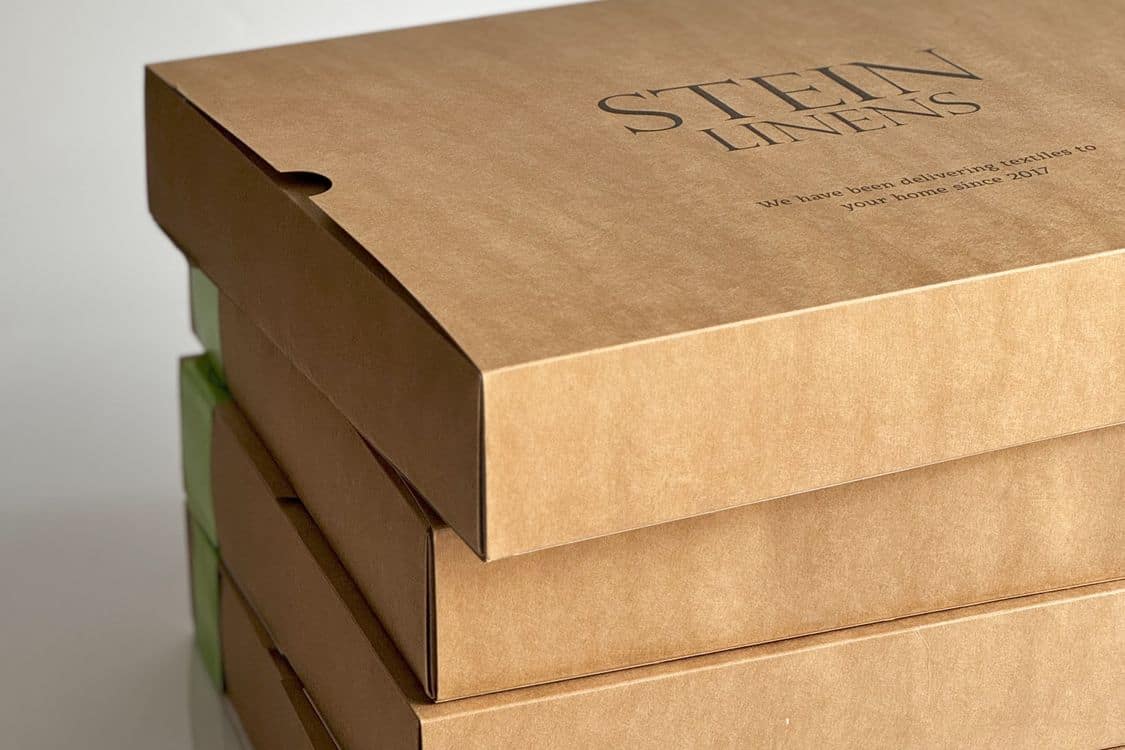

Print21’s mid-2026 industry coverage describes a sector moving digital printing technology decisively further into the mainstream packaging conversation, with companies investing in flexo and digital hybrid equipment to chase higher-specification work. Ultra Labels & Flexpack is scaling up its packaging ambitions through heavier equipment investment, while distributors like Currie Group are expanding their Canon offerings to match rising demand.
Mimaki, meanwhile, is pushing safer UV ink formulations that remove hazardous substances from the printing process, a sign sustainability pressure is shaping equipment purchases as much as speed or cost.
Why digital investment is happening now, not five years ago
Digital presses have existed for years without becoming the default for packaging runs, largely because traditional offset and flexo methods were cheaper for the long, uniform runs packaging historically required. What’s changed is the shape of demand itself: shorter runs, more frequent design changes, and customers expecting faster turnaround than a traditional plate-based setup could ever deliver.
Print21’s reporting frames this as a real shift in positioning rather than incremental tweaking, with supply chain resilience cited by industry leaders as a reason businesses need more production flexibility, not less, heading into an uncertain year. Businesses ordering from Star Stuff Group Australia-based operations are part of a supply chain increasingly built around this kind of responsive, digitally-driven production rather than the long-lead-time model packaging buyers had to plan around a decade ago.
What this means for businesses ordering custom packaging
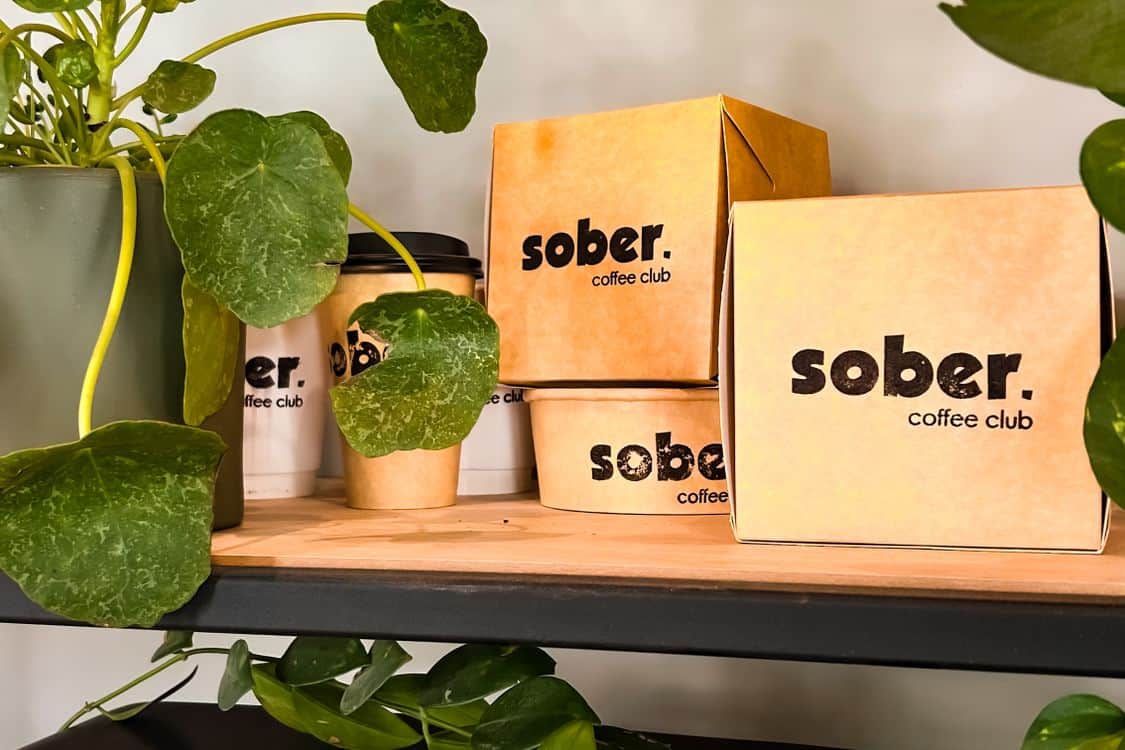
A manufacturer running digital-capable equipment can accommodate a smaller order, a last-minute design tweak, or a seasonal variant without the setup costs that used to make short runs uneconomical for smaller operators. That’s exactly what small and mid-sized brands need when they don’t have the volume to justify a traditional plate-based print job.
That flexibility only shows up in practice once a manufacturer has actually made the equipment investment Print21 describes, rather than simply advertising digital capability without the machinery to back it up.
The sustainability angle is no longer optional
Investment in UV ink formulations that strip out hazardous substances isn’t happening because it’s cheaper. It’s happening because buyers, and increasingly regulators, expect it as a baseline. Print businesses that skip this upgrade risk being locked out of contracts where a client’s own sustainability commitments require documented ink safety.
The equipment upgrades detailed in Print21’s coverage suggest the Australian packaging print sector is treating 2026 as a genuine turning point, not just another routine product cycle passing through.
Roland DG’s move to launch new integrated solutions alongside Currie Group’s expanded Canon range points to a broader pattern: equipment vendors themselves are betting that demand for flexible, shorter-run packaging print keeps climbing rather than levelling off in the year ahead.
For packaging buyers watching from outside the print trade press, the practical signal is simple: a supplier’s willingness to invest in this kind of equipment now is a reasonable proxy for how well they’ll handle a smaller, more customised order next year.
Filton Packaging’s move toward higher-specification work rather than volume alone points the same direction. The businesses winning contracts in this environment are the ones that can produce complexity on demand, not the ones simply running the biggest presses on the floor.
That distinction matters more to a small brand ordering a few thousand units than it does to a national retailer ordering millions, since the smaller order is exactly the kind that older equipment struggled to make economical in the first place.
Businesses evaluating a new packaging supplier now have a fairly reliable way to check where that supplier sits on this curve: asking directly what equipment they’ve added in the past twelve months tends to reveal more than a glossy capability statement ever does.

 Bitcoin
  Ethereum
  Dogecoin
  Litecoin