
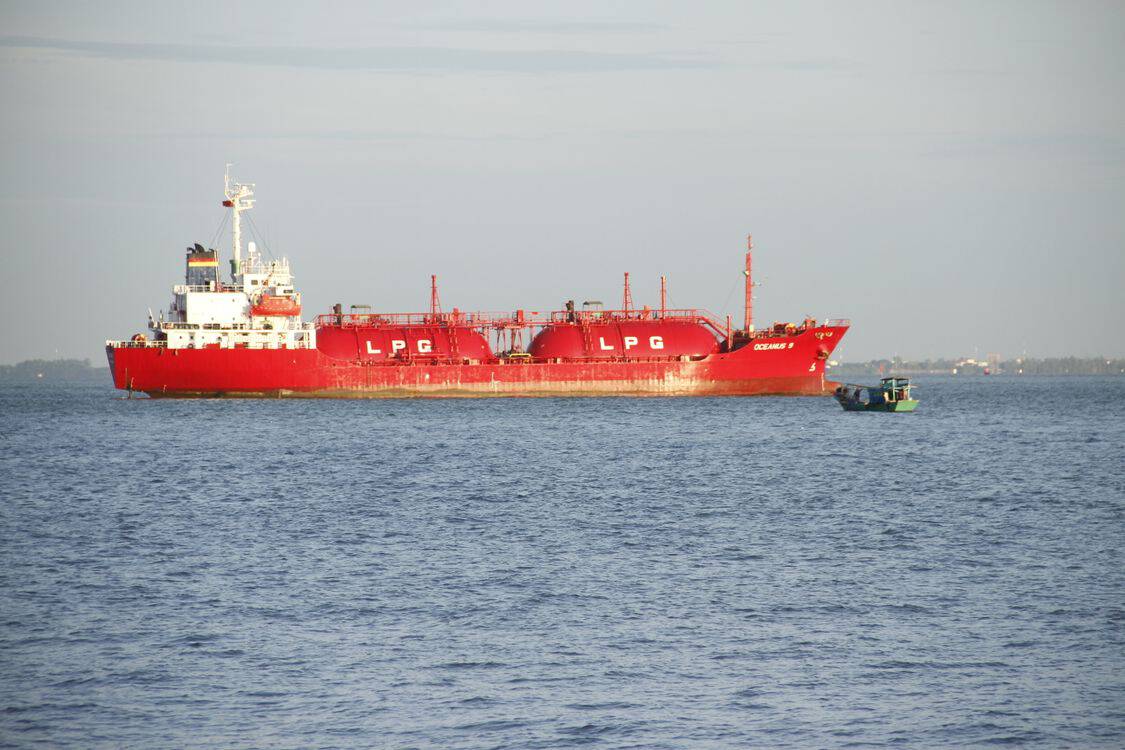

The United States has quietly become the world’s swing supplier of propane and butane, shipping ever more of it to buyers across Asia, Europe, and Latin America. That export business has a physical bottleneck, and it is shaped like a giant refrigerated tank.
Before a single cargo of liquefied petroleum gas leaves the Gulf Coast, it has to be chilled and stored, and that storage is a specialized engineering problem.
Exports are outrunning the infrastructure
Demand has run hard against capacity. As new and expanded terminals come online, installed U.S. Gulf Coast LPG export capacity is projected to climb toward 100 mtpa by 2029, up from around 60 mtpa, as developers race to keep pace with global appetite.
That expansion is concrete and ongoing. Multiple operators are building new refrigeration trains, loading docks, and storage along the Texas and Louisiana coast, with several large projects sequenced through the end of the decade.
Terminals have been running near or above their rated capacity, which is exactly the condition that triggers a building wave. When the existing tanks are full and the ships keep coming, you build more tanks.
Each of those tanks is a major fabrication project in its own right, and the steel inside them is not ordinary.
Why refrigerated storage gets its own tank standard
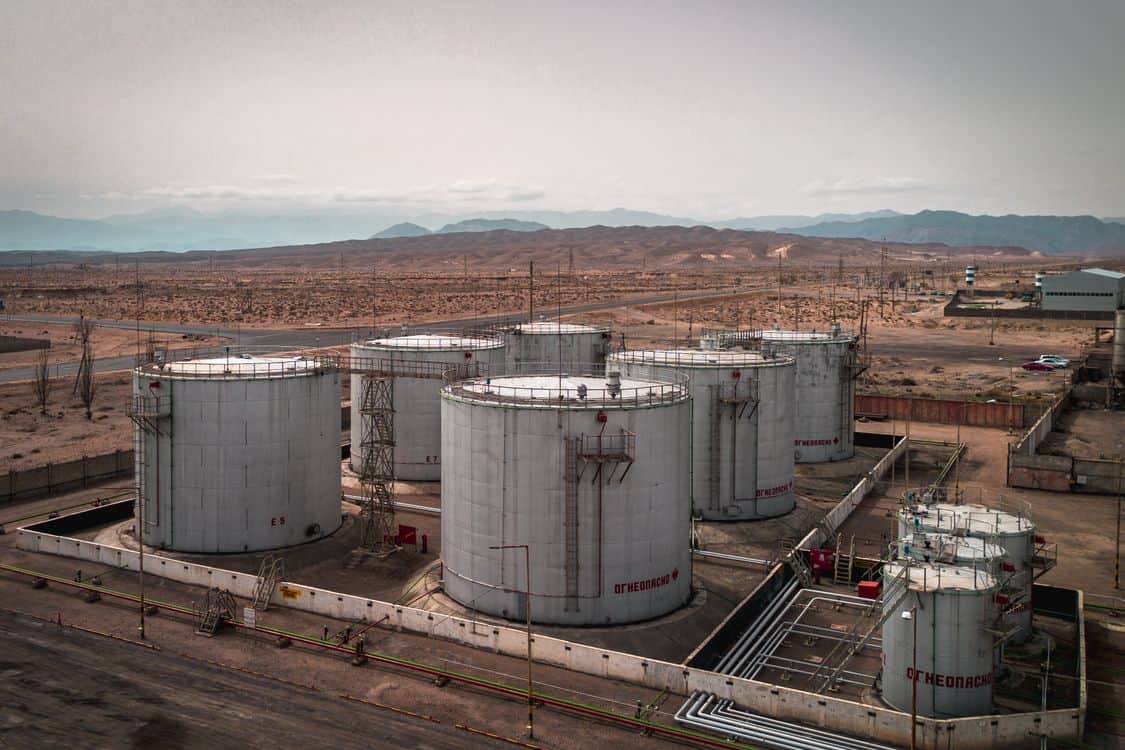
To ship propane and butane economically, they are chilled into a liquid and held at low temperature near atmospheric pressure. Propane goes to roughly minus 42 degrees Celsius, cold enough that ordinary tank steel and ordinary tank rules no longer apply.
That combination of low temperature and low, but not zero, internal pressure is a specific engineering regime. It sits outside what a standard atmospheric tank is built for.
This is the niche that the low-pressure tank standard fills. Large refrigerated propane and butane terminals are built as API 620 Storage Tanks, the standard that governs low-pressure storage and accommodates the refrigerated service these products require.
The standard matters because the demands are real. A refrigerated tank has to stay tough at low temperature, manage the slight internal pressure, and handle the thermal stresses of holding a cold liquid, all over a service life measured in decades.
That same low-pressure tank standard covers other refrigerated and cryogenic products too, from ammonia to ethylene to liquefied natural gas, which is why it underpins so much of the world’s cold storage infrastructure.
For an LPG terminal, the refrigerated tank is usually the largest and most demanding single structure on site, and it is squarely on the critical path of the whole project.
What the boom means for tank builders
For fabricators and steel suppliers serving this market, the LPG export story is a durable source of demand for low-pressure tank plate.
These are not quick projects. A large refrigerated tank takes time to engineer, fabricate, and erect, and the plate that goes into it has to meet demanding low-temperature toughness requirements.
That rewards suppliers who understand the service. Tank builders need material that is certified for low-temperature duty and delivered on a schedule that keeps a terminal expansion moving.
The export build-out is sequenced over years, not months, which means the demand for refrigerated tank steel is more of a sustained trend than a passing spike.
The barrels of propane heading across the ocean are the visible part of this business. The unglamorous part, the giant cold tanks built to hold them, is where a lot of the steel quietly goes.

 Bitcoin
  Ethereum
  Dogecoin
  Litecoin