
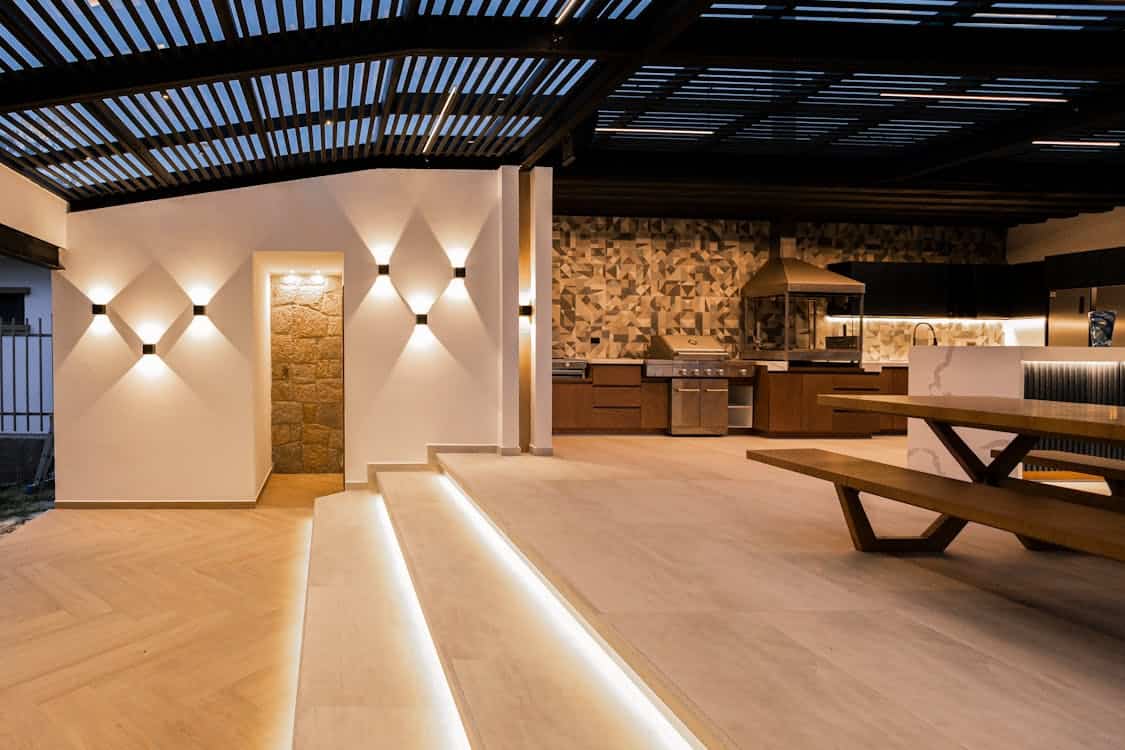

Lighting has a remarkable ability to alter the feel of an outdoor room and to shape how people experience time spent outside. A modest string of bulbs can turn a routine evening into something memorable while careful choices in fixtures, color, and placement create spaces that invite conversation or quiet reflection.
Understanding the technical bits behind bulbs, beam angles, and control systems removes much of the guesswork and allows intentional decisions that reflect taste and purpose. Thoughtful design bridges the gap between functionality and charm so that patios feel inviting after the sun goes down.
How Light Shapes Outdoor Atmosphere
Light influences perception in multiple ways, starting with visibility and moving toward emotional response. Bright white light tends to read as alert and active while warmer tones bring a sense of relaxation and comfort to an outdoor seating area.
The contrast between pools of light and shadow creates depth and interest so surfaces and plants gain new texture. Human vision favors cues such as highlights and soft edges, and good lighting takes advantage of these cues to guide attention and movement.
Types Of Patio Lights And Their Roles
String lights are casual and friendly, ready to outline perimeters or drape over structures to add sparkle and charm. Wall mounted fixtures and sconces provide reliable task light near doors, grills, and counters while recessed fittings can offer subtle uplighting for walls and columns.
Spotlights and well lights work to highlight trees or sculptural elements, creating focal points that anchor the scene. Each category plays a part in a layered plan so the whole space reads as intentional rather than thrown together.
Color Temperature And Perceived Warmth
Color temperature measures how cool or warm a light looks and the numbers printed on bulbs indicate this quality. Lower values produce amber tones that most people associate with cozy evenings and candlelit feeling, while higher values read as crisp and modern and help with tasks.
Matching temperature across fixtures prevents clashing hues that can feel jarring to the eye and the brain. Picking a range for the entire patio produces a consistent visual story and contributes to a cohesive mood.
Layering Light For Depth And Interest
A single source rarely feels complete because flat illumination removes texture and reduces intimacy. Combining ambient glow from overhead fixtures with focused task light at seating and subtle accent illumination on plants or architectural detail yields visual richness.
Layering allows control over what stands out and what recedes so the same patio can host a lively barbecue or a calm late night chat without feeling wrong. Thoughtful layering also helps create privacy by softly obscuring boundaries while keeping key areas usable.
Placement And Direction Matter
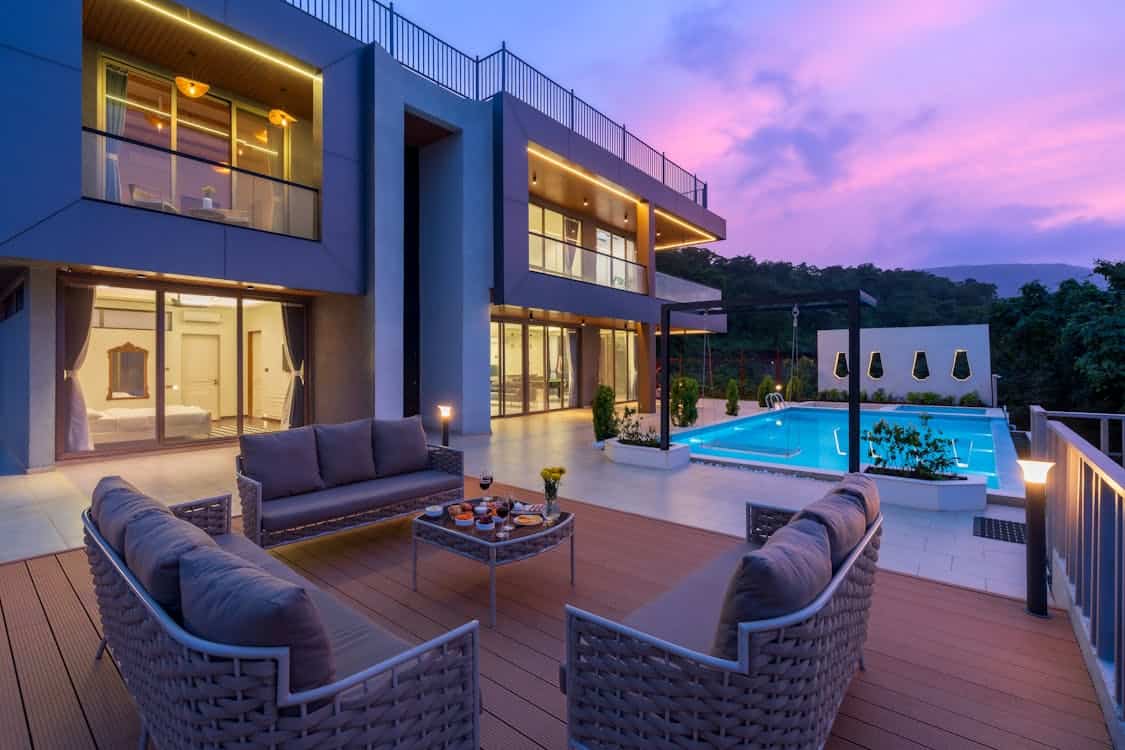
Where a fixture sits and which way it points changes what is visible and what remains in shadow, and those choices shape behavior. Uplighting can dramatize trunks and facades but must be aimed carefully to avoid glare in eyes, while downlighting mimics natural moonlight and makes walking surfaces safer.
Lighting at low height reveals texture on stone and pavers while higher mounting frees up sight lines and reduces clutter. A few mock setups or temporary lights can reveal unintended glare or dark patches before anything is installed.
Control Systems And Dimming Options
Being able to adjust intensity and timing alters how a space performs across different uses and hours, and dimmers make a big difference in flexibility. Simple timers automate the schedule so the yard feels active at prime times and quiet later on without manual fuss.
Smart controllers add scene settings that recall favorite presets with one tap, which keeps operation simple for guests and hosts alike. Energy savings often come as a side benefit because lower settings consume less power and extend bulb life.
Energy Use And Long Term Costs
LED technology has reshaped the practical choices for outdoor projects because long life and low draw reduce maintenance and bills over time.
Many homeowners now prefer LED and solar patio lighting designs because they combine efficiency with flexibility, making it easier to illuminate outdoor spaces without significantly increasing energy consumption. Initial investment can be higher than older types but replacement schedules and consumption figures usually offset that outlay across seasons.
Choosing fixtures with good ratings for weather and low upkeep keeps surprise costs down and keeps performance steady. Proper planning around wattage and control also prevents overspending on capacity and avoids the habit of overlighting.
Design Tips For Small And Large Spaces
In a compact patio, fewer well placed lights work better than many small sources that create clutter and competing shadows. Use reflective surfaces and light colored materials to stretch perceived size when ceiling height or square footage is limited.
Larger gardens tolerate bolder layers and strategic highlights that break the area into rooms without erecting physical barriers. Uniformity in color temperature and fixture finish ties disparate zones together so larger compositions feel like moments within a single plan.
Maintenance And Weather Resistance
Outdoor fixtures face moisture, temperature swings, and dust, and product ratings for enclosure and material tell a useful part of the story. Regular cleaning and seasonal checks for corrosion, loose connections, and insect nests helps maintain consistent performance and safe operation.
Replacing bulbs in matched sets keeps color rendering stable and reduces odd patches of differing tones. Choosing durable finishes and silicone sealed connections avoids frequent fixes and preserves the original design intent.

 Bitcoin
  Ethereum
  Dogecoin
  Litecoin