
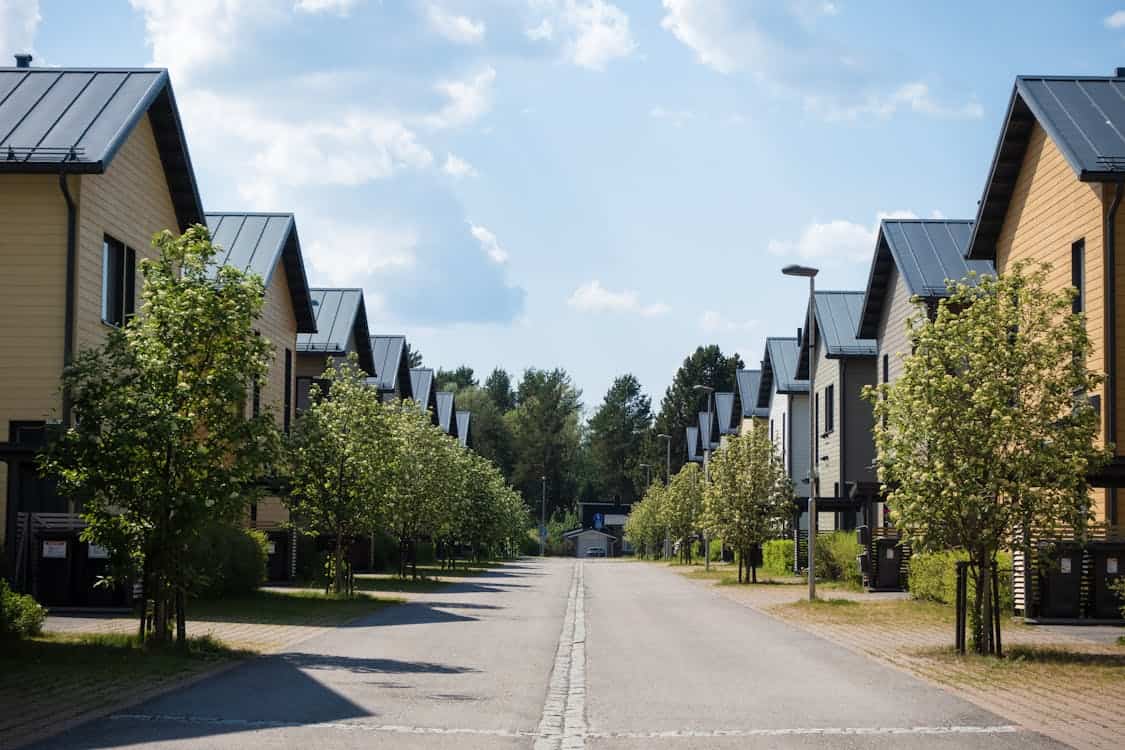

Metal roofing has staged a steady return across communities from the Panhandle to the Gulf Coast as homeowners weigh durability, cost and curb appeal. Harsh sun, sudden storms and expensive traditional roof repairs have pushed many to rethink what sits over their heads.
Builders and DIY renovators alike are finding that metal can check off a lot of boxes at once while offering a fresh look that suits both ranch houses and new urban infill. Below are the main reasons that metal roofs are gaining traction in Texas neighborhoods and rural districts.
Weather Resilience And Storm Performance
Metal roofs offer high resistance to wind uplift and can shrug off heavy rain with a smooth, sloping surface that sends water running rather than letting it pool and rot the deck beneath. In areas that see hail and occasional tornado warnings, thicker gauge metal or impact rated panels can take blows that would make asphalt granules fly and shingles curl up at the edges.
Fire wise they are non combustible when installed over appropriate underlayment, which matters in hot months when stray embers are a real concern. If you’re comparing local options, an austin roofing company can help break down which metal profiles actually perform best in Central Texas heat and storm conditions.
Energy Efficiency And Heat Reflection
Light colored metal panels and reflective coatings bounce a chunk of solar radiation away from the roof, which cuts attic temperatures and trims cooling costs on blistering summer days. That cooling effect shows up on utility bills, especially in regions where air conditioning is not optional but a daily line item through long warm seasons.
In practice homeowners report steadier indoor temperatures and reduced strain on HVAC systems, which extends equipment life and lowers peak electric demand. The combined savings and comfort make the investment feel smart rather than flashy for many buyers.
Low Maintenance And Long Life
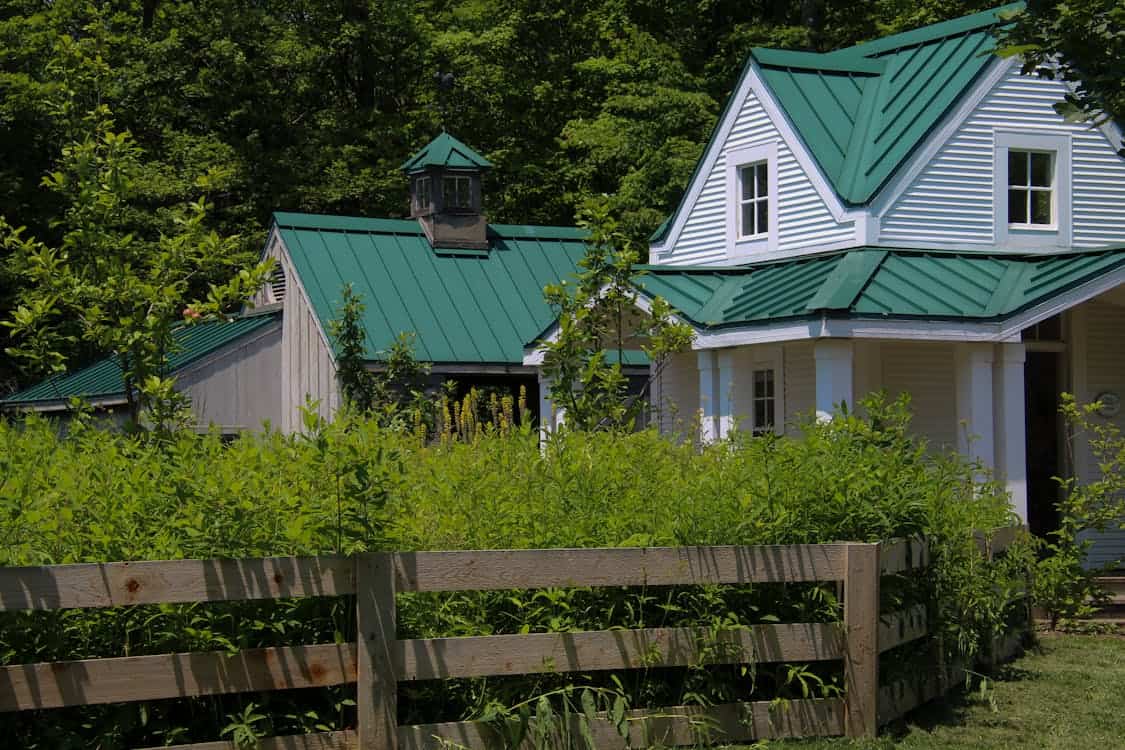
Unlike organic shingles that curl and shed granules with age, metal roofs resist rot, fungal staining and insect damage, which keeps maintenance chores sparse even when humidity hangs in the air for weeks on end. Periodic inspections, a nozzle wash and a check of fasteners is often all that stands between a metal roof and many more decades of service, so the routine work is simple and predictable.
Long life also means fewer roof tear offs, which saves on material and labor that would otherwise repeat every couple of decades. That stability appeals to property owners who prefer steady upkeep demands over recurring projects.
Aesthetic Variety And Modern Look
Manufacturers now offer metal roofing in profiles that mimic slate, tile and traditional standing seam while also providing modern minimal panels for contemporary houses, which expands choices for architects and homeowners with an eye for design. Coatings and paint systems come in a wide palette that resists fading, letting a roof keep a fresh appearance even after years of sun exposure.
Metal can match historic restorations or make a bold statement on a contemporary build without calling attention to itself in a way some bright surfaces do. The result is visual flexibility that helps the roof harmonize with siding, trim and landscaping plans.
Insurance Savings And Building Code Benefits
Many insurance carriers recognize the loss mitigation that metal surfaces provide and may offer premium reductions or credits for roofs with high wind and fire ratings, which puts money back in a homeowner’s pocket over time. Local building officials in hurricane prone and hail prone counties often prefer or require higher performance roofing systems, and metal frequently meets or exceeds those standards with ease.
For owners preparing to sell, a certified roof with documented longevity can be a tangible selling point that shortens time on market and reduces objection points during inspections. Those fiscal and regulatory angles make metal more than a design choice; they turn it into a financial and compliance instrument in many transactions.
Environmental Benefits And Recyclability
Most metal roofs contain significant recycled content from the start and are straightforward to recycle at the end of their life, which cuts waste streams that would otherwise clog landfills with worn out asphalt shingles. Because a single metal roof can last multiple times longer than standard roofing, fewer materials are consumed across the life cycle of a building, which lowers cumulative embodied energy requirements.
Reduced reliance on replacement cycles also eases demand for new raw materials and the transport emissions that come with repeated jobs. For homeowners with an eye on resource stewardship, metal offers a practical route to greener choices that do not sacrifice performance.
Installation Practices And Evolving Technology
Roofing crews have refined fastening methods, sealant choices and underlayment options so metal installations that once required a specialist now fit into the tool set of many experienced roofers across the state. Technological advances such as coated substrates, corrosion resistant fasteners and concealed clip systems have addressed earlier concerns about leaks, staining and thermal movement.
Training courses and manufacturer certification programs have broadened the pool of qualified installers, which brings down lead times and helps keep labor costs competitive with re roofing alternatives. As installers and product lines mature, homeowners see fewer surprises and more consistent outcomes from initial quote to final walk around.

 Bitcoin
  Ethereum
  Dogecoin
  Litecoin