

Proper maintenance of plumbing, fixtures, and water-using appliances has a direct impact on household expenses and comfort, and it pays off sooner than many expect. Small faults left to their own devices tend to worsen over time, quietly increasing usage and the amount shown on a monthly statement.
Regular upkeep catches tiny problems before they swell, keeps systems working at intended efficiency, and helps avoid surprise repairs that cost more than routine fixes.
The Cost Of Neglect
Minor drips and slow leaks often add up to gallons of water lost each day, with the leak running quietly in the background while bills climb. A pinhole in a pipe, a worn washer in a faucet, or a running toilet that goes unnoticed turns what seems like a trivial waste into a steady expense.
Utility accounts reflect total consumption, so those steady, small losses show up in numbers that can surprise a household budget. Catching faults early keeps the meter from creeping upward and keeps pay cycles more predictable.
Common Culprits That Waste Water
Running toilets are a frequent offender, and their steady, unseen flow fools many people into thinking all is well when it is not, sending water down the drain with little notice.
Faucets with worn seals or loose valves drip, and even slow leakage multiplied by many days becomes a significant loss on a monthly match.
Irrigation heads that spray sidewalks or systems with faulty timers can turn the lawn into a water hog, soaking the wrong spaces and sending extra gallons away. Hot water systems that leak or operate inefficiently waste both water and the energy used to heat it, lifting two bills at once.
Routine Checks That Save Money
A quick monthly walk-through, focused on pipes, visible fittings, and appliance connections, often spots beginning problems before they escalate into repair projects that eat both time and cash.
Turning off all taps and appliances and watching the meter for movement gives a direct test for hidden flow, while listening for running water at night can reveal leaks out of sight.
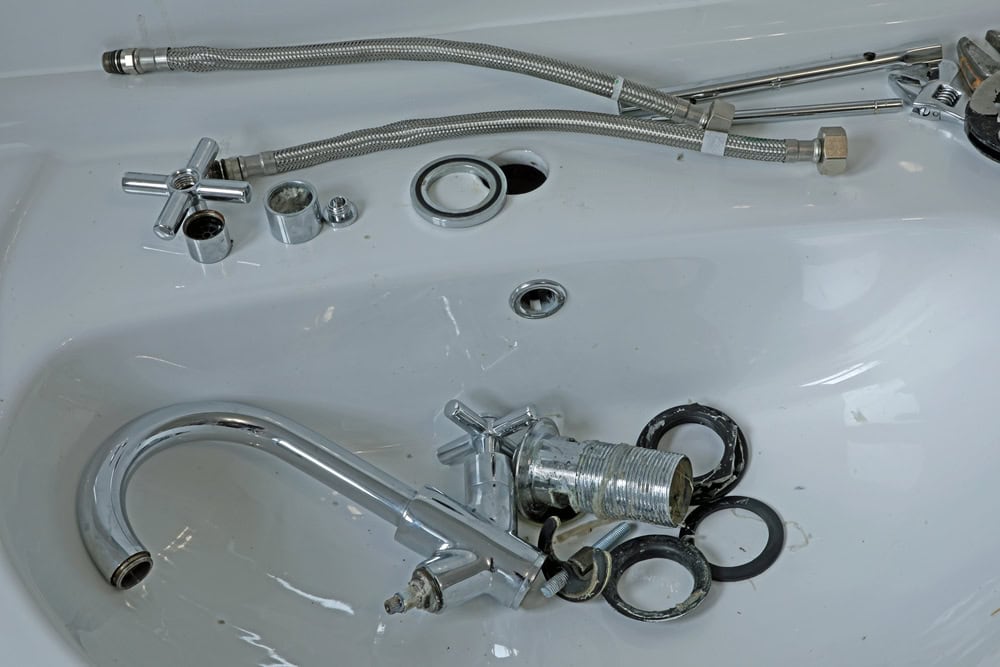
Replacing a failed washer, tightening a loose clamp, or reseating a valve often stops a leak that had been quietly inflating usage figures. Small maintenance acts make big differences in the meter reading and keep systems operating as intended.
Appliance Maintenance And Efficiency
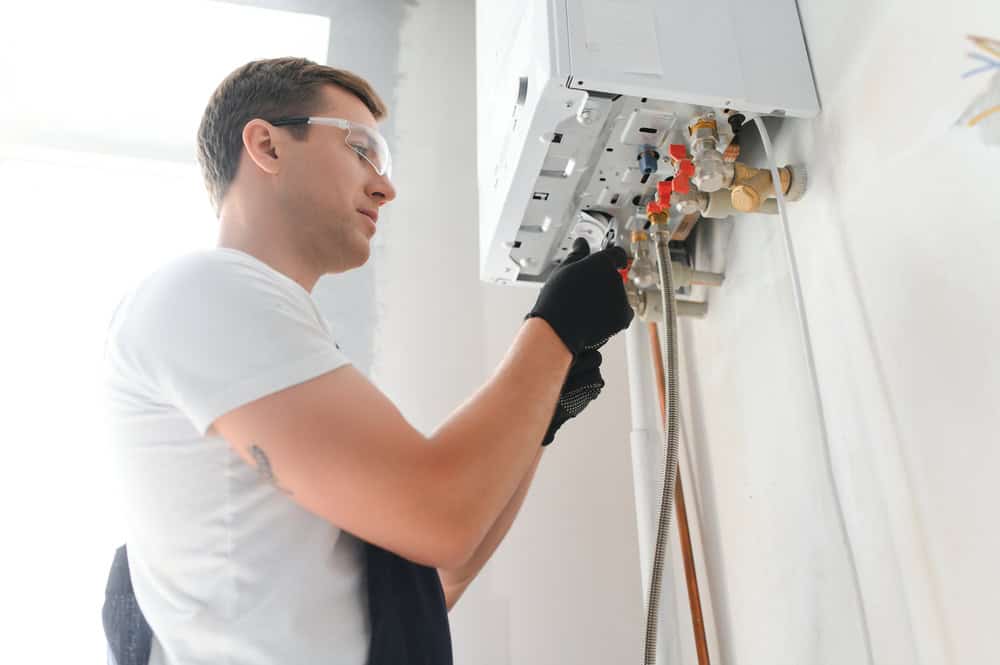
Household appliances like dishwashers, washing machines, and water heaters touch a large share of residential water use, so their upkeep influences the total bill and the lifespan of the device.
Running full loads when sensible, choosing shorter cycles, and setting machines to efficient modes reduces the number of times water moves through the system and drops the tally on the meter.
Cleaning filters, checking supply hoses for wear, and flushing tanks or coils maintains flow and cuts the chance of a slow but costly leak. A well-serviced appliance tends to drink less and last longer, which keeps replacement and energy charges down.
Outdoor Systems And Seasonal Care
Pipes and controllers outdoors face shifting ground, weather swings, and the strain of repeated seasons, and those forces can loosen fittings or crack lines when left alone.
Performing seasonal checks before hot months and ahead of freezes locates broken heads, split tubing, and clogged nozzles that otherwise waste water on hardscapes instead of plants.
Repairing a leaking valve or resetting a schedule often stops overwatering and prevents irrigation from running when it should not, saving both water and the frustration of damp patios.
Winterizing exposed piping and draining lines where frost threats exist prevents cracks that would later cause expensive hidden leaks.
Detecting Hidden Leaks
Leaks that live inside walls, under slabs, or beneath floor coverings escape casual observation and can turn into costly surprises by the time they show up on an account or cause visible damage.
A steady diagnostic trick is to shut off all indoor and outdoor water use and watch the meter for any movement; any change implies flow that belongs to a leak.
Other clues include damp spots, moldy smells, or a sudden drop in water pressure, signals that point investigators toward a problem zone. Early detection shortens repair scope, limits water loss, and keeps the price of fixing the issue lower.
Smart Monitoring And Small Fixes
Modern monitoring tools, from smart meters to electronic leak detectors and app-linked controllers, make it easier to spot unusual patterns without guesswork, and alerts can trigger quick responses that stop waste.
Swapping aerators, installing low-flow fixtures where comfort remains acceptable, and fine-tuning irrigation schedules cut usage while keeping performance at a satisfactory level.
Many useful fixes are low cost: a new washer, a tightened hose clamp, or a small valve change can show up as a noticeable drop on the next statement. A habit of checking the numbers and acting on odd spikes keeps bills steadier and reduces the time between service calls.
When To Call A Pro
Some repairs are well within the reach of an average homeowner’s toolkit, but certain issues need a licensed trade to prevent recurring trouble or unsafe conditions, such as slab leaks, major pipe replacements, or complex water heater faults.
A qualified technician brings pressure testing equipment, code knowledge, and installation standards that lower the chance of a repair failing or causing secondary damage.
Upscaling a DIY patch into a long-term fix often costs more in the long run if the original problem was underestimated or if safety risks were present. Balance the scope of the task with the skill and tools available, and call in a pro when work goes beyond simple parts and wrenches.
Behavioral Habits That Complement Maintenance
Technical upkeep works best when combined with household habits that reduce waste at the source, so everyday choices play a big part in keeping numbers down.
Shorter showers, turning water off while brushing, repairing visible drips the moment they appear, and running appliances only when full all shave gallons from regular usage.
When everyone at home learns to spot and report abnormalities—strange noises, damp patches, or odd meter readings—repairs happen faster and savings accumulate. That mix of good habits and steady maintenance keeps bills lower and systems healthier.
Financial Impact And Long-Term Savings
Spending a modest amount on parts, time, or periodic professional checks pays back through lower usage and fewer emergency repairs, and those savings compound with each billing cycle.
Upgrading worn components, fine-tuning controls, and keeping systems sealed and pressurized prevents waste that would otherwise show up as recurring charges.
To put things in perspective, understanding the typical water bills per month in a Melbourne household can help homeowners see just how much regular maintenance and efficient habits can trim ongoing expenses.
Over the long term, predictable water use and fewer surprises contribute to a smoother household budget and reduced total ownership cost for plumbing systems. Treat routine care as preventive spending that commonly beats the cost and stress of emergency fixes.

 Bitcoin
  Ethereum
  Dogecoin
  Litecoin