
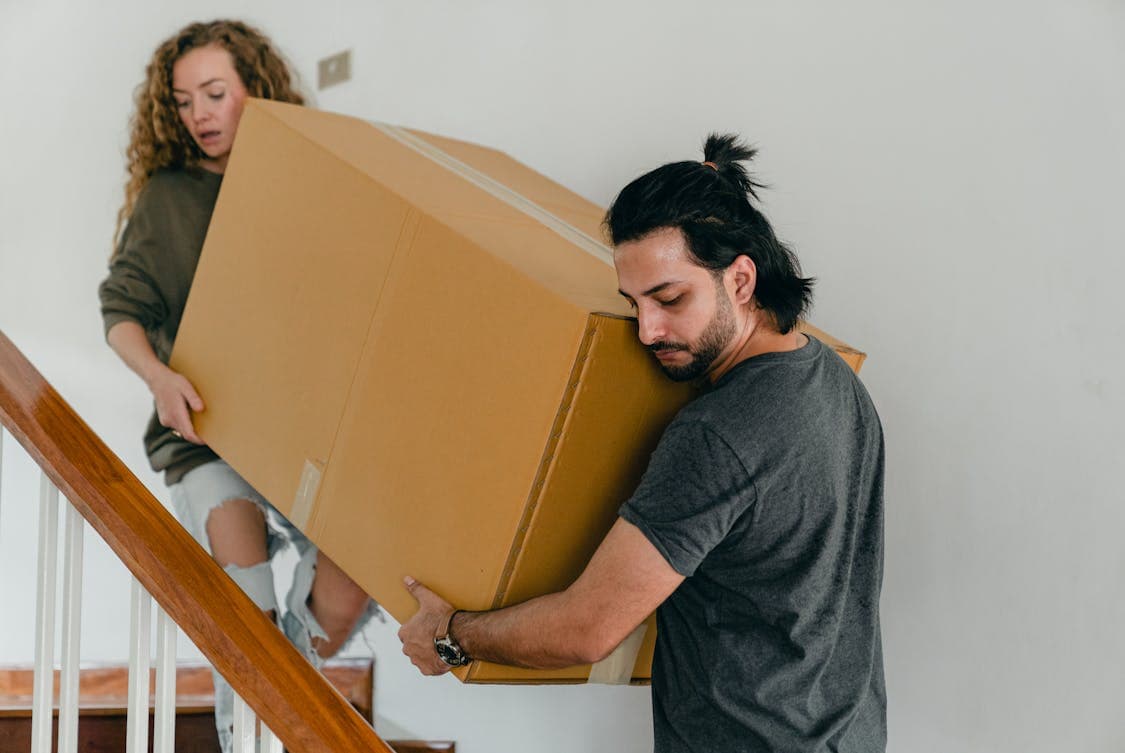

Moving from one place to another tends to stir up more than boxes and furniture. A little forethought on how items are wrapped, carried, and stacked can keep cherished things intact and reduce headaches on both ends of a trip.
Combining thoughtful packing techniques with gentle handling can help avoid typical problems like broken glass, scratched wood, and damaged cords. Simple habits save time, money, and a lot of worry when boxes arrive in one piece.
Planning And Inventory
Start with a clear list of what you own so nothing slips through the cracks, and break that list into rooms and priority classes to make subsequent steps easier. Photograph valuable items and note serial numbers for electronics so you have proof should any dispute come up with movers or insurers.
Take stock of odd shaped or heavy items early so you can arrange special equipment or extra hands on moving day. A short rehearsal of where large pieces will go in the new space can prevent awkward lifts and unnecessary wear.
Choosing Packing Materials
Select sturdy boxes that match the size and weight of what you intend to pack, and remember that bigger is not always better for heavy goods. Soft materials like towels and quilts serve double duty as padding and filler, while bubble wrap and stiff foam protect fragile surfaces more reliably.
Label boxes clearly on multiple sides with content hints and handling notes so handlers know which ones need care without opening them. Try to keep a small toolkit and tape on hand for quick fixes or last minute reinforcement.
Packing Fragile Items Properly
Wrap each glass or ceramic piece in paper or cloth and place them upright in a snug box where movement is limited and cushioning surrounds every side. Fill empty spaces with crumpled paper or soft clothing so a light shake does not become a crash test.
For sets of plates or stemware place similar items together and create internal dividers from cardboard to avoid point contact that leads to chips. When a box is labeled fragile, mark the top and note which way is up so stacking happens with common sense.
Electronics And Cables Care
Power down devices, unplug everything, and gather cords into labeled bundles to avoid a tangled mess that wastes time at the new place. If original boxes are not available, wrap screens and sensitive surfaces in soft fabric and place them face to face with padding between each layer.
Store small accessories like remotes, drives, and batteries in clear bags and tape those bags to the back of the device or inside the box for quick retrieval. A brief inventory list taped to a box helps when setting up because you can match names and pieces instead of hunting through a dozen odds and ends.
Protecting Furniture And Large Items
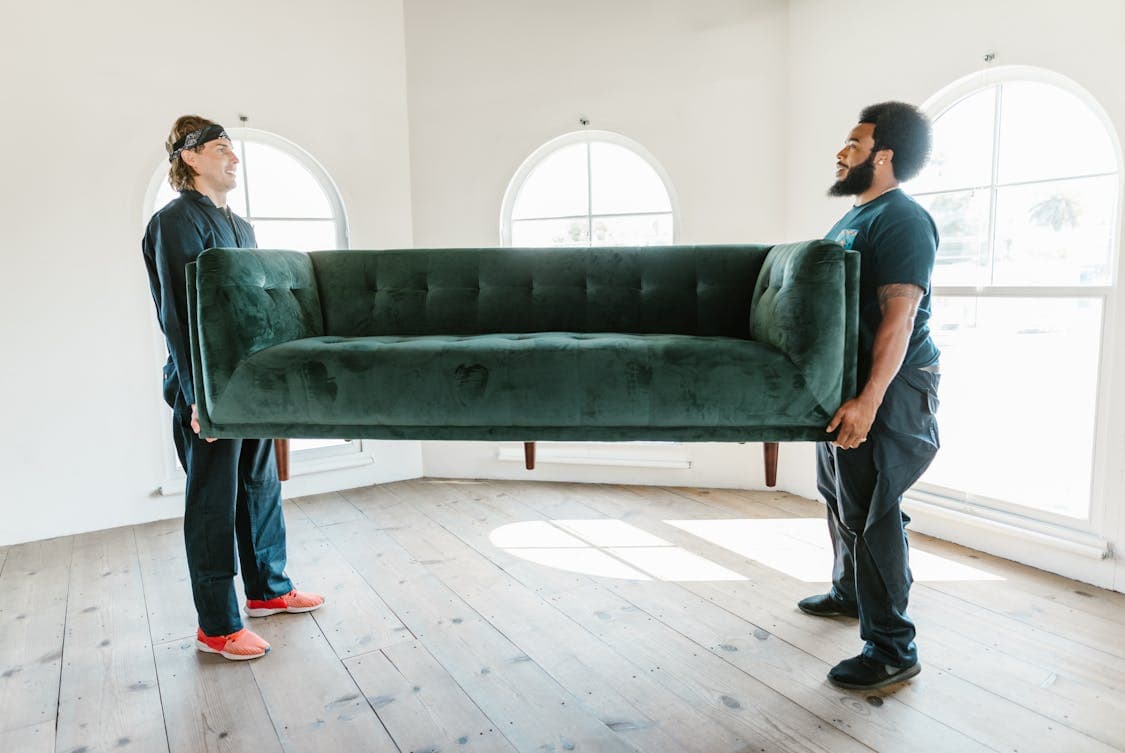
Remove legs, cushions, and loose hardware before wrapping to reduce the chance of damage and to make items easier to carry through tight spaces. Cover wood and fabric surfaces with breathable covers or pads that guard against scratches and stains while allowing moisture to escape.
When moving sofas or beds, tilt and pivot carefully, measuring doorways and halls first so you do not have to force a piece through a tight fit. Secure drawers and cabinet doors with straps or tape that will not leave residue, and keep small parts in sealed bags taped to the related item.
Loading The Vehicle Smartly
Place heavier items like appliances and dense boxes on the floor of the truck closest to the cab to create a stable base and then stack lighter boxes on top so weight is balanced. Use ropes and straps to stabilize tall items and prevent them from shifting while the vehicle accelerates or stops, and think about how the drive will feel when packing decisions are made.
Keep fragile boxes visible and accessible so they are not buried under a pile and can be unloaded first when necessary. If friends are helping, give them clear roles such as loader, spacer, or spotter to reduce confusion and accidental hits.
Documents And Valuables Management
Keep passports, contracts, jewelry, and small keepsakes with you in a carry bag rather than entrusting them to a pile of boxes that might be handled multiple times. For medical records or warranty paperwork use a single folder that you can open easily when needed and that will not fold or tear in transit.
Some moving companies, like top-rated movers draper utah offers, even provide secure transport for sensitive documents and valuables.
Make digital backups of key documents by scanning them and storing secured copies in the cloud and on a portable drive for redundancy. A short list of where each valuable item is stored reduces frantic searching the first evening and helps keep calm when a new place is still echoing.
Final Checks And Insurance
Walk through both origin and destination sites with a quick checklist that covers locked windows, taped baseboards, and whether fragile items were labeled plainly so movers know the stakes. If you purchased mover insurance or have coverage through a credit card or policy, keep a copy of the terms with the inventory and note claim windows and required proof to act quickly if damage is found.
For damaged goods take photos as soon as it is safe to do so and make concise notes about the state of the item and the way it was packed so information does not fade with time. Acting early and calmly often smooths any paperwork hurdles and helps restore order faster than a long drawn out back and forth.

 Bitcoin
  Ethereum
  Dogecoin
  Litecoin