
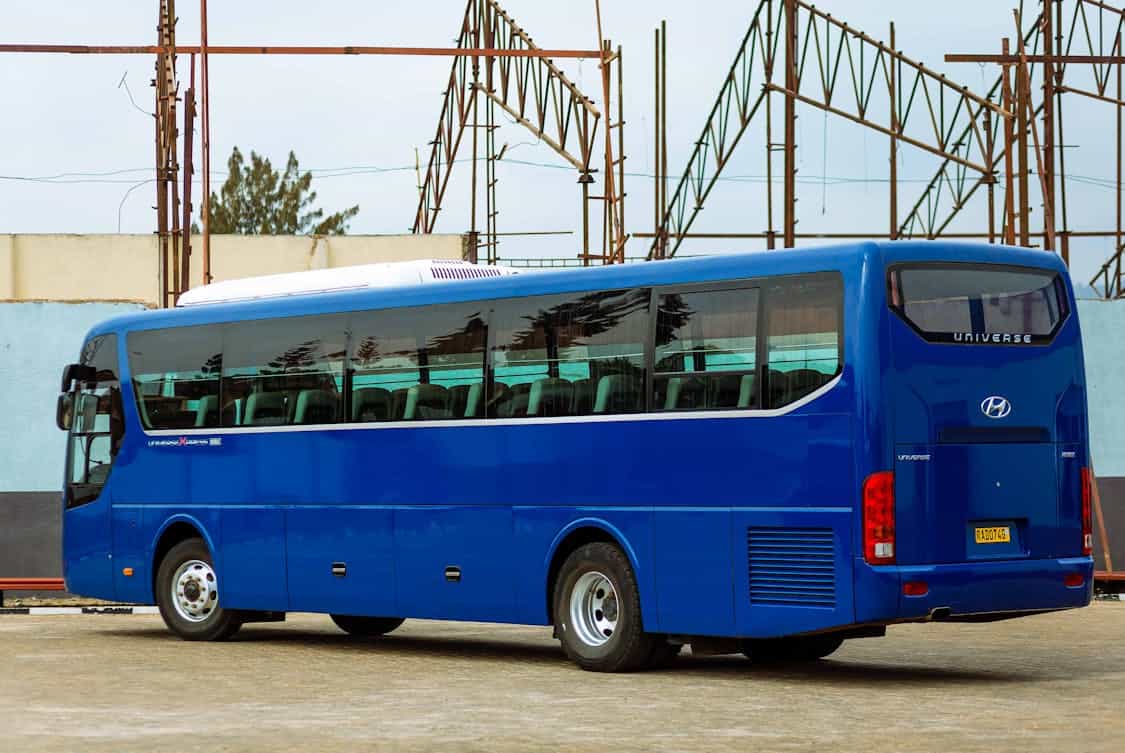

Bus rental serves groups that need flexible, efficient transport for events school trips corporate outings and private travel. Operators present a range of choices from compact vans to full size motorcoaches that balance capacity with cost.
Riders and planners alike often weigh seating layout luggage space and onboard conveniences when planning a run that must meet time and budget limits.
Types Of Bus Rentals
Charter rentals delegate a vehicle and driver to a group for a set period or trip and are common for weddings tours and corporate transfers. Shuttle services run fixed routes between two points such as airports parking areas or event sites and typically operate on a repeating schedule.
If you’re organizing a group outing in Nevada, consider booking through a reliable las vegas charter bus rental to make coordination simple and stress free.
School and student transport use buses with features tuned to younger passengers and strict safety protocols that follow local education rules. Short term hire for private hires can include minibuses that blend maneuverability with useful seating and luggage capacity.
Fleet Size And Vehicle Classes
Fleet choices range from small minibuses that seat under twenty to large coaches built for fifty five or more passengers and long haul travel.
Vehicle class influences interior layout seat pitch luggage holds and whether a restroom or sleeping berths are available for extended runs.
Accessibility options such as low floor entry and passenger lifts are common across many fleets and should be requested if any rider needs a ramp or extra room. Operator fleet size is a practical indicator of backup availability when plans shift and another vehicle is required at short notice.
Pricing Models And Fee Structures
Pricing commonly follows one of several models including hourly hire per mile or a flat rate for a specified itinerary which helps planners estimate total spend.
Additional fees often appear as fuel surcharges overtime charges for driver hours outside a standard window and penalties for late changes or cancellations.
Deposits and final payment schedules are typically stated in a rental agreement and will affect cash flow when booking for large groups.
It is normal to compare written quotes from multiple providers to spot differences in what is included and what appears as an extra line item on the final bill.
Reservation And Booking Process
A clear booking process begins with a written estimate that lists vehicle type expected route crew size and any extras such as luggage handling or event staff.
Lead time requirements differ by season and region so early reservations reduce the chance of last minute scrambling for a suitable coach.
Contracts will specify arrival windows payment terms and remedies if a scheduled pickup cannot be completed on time. Many operators offer an online portal for quote requests confirmations and document uploads which streamlines communication for both small and large groups.
Amenities And Onboard Services
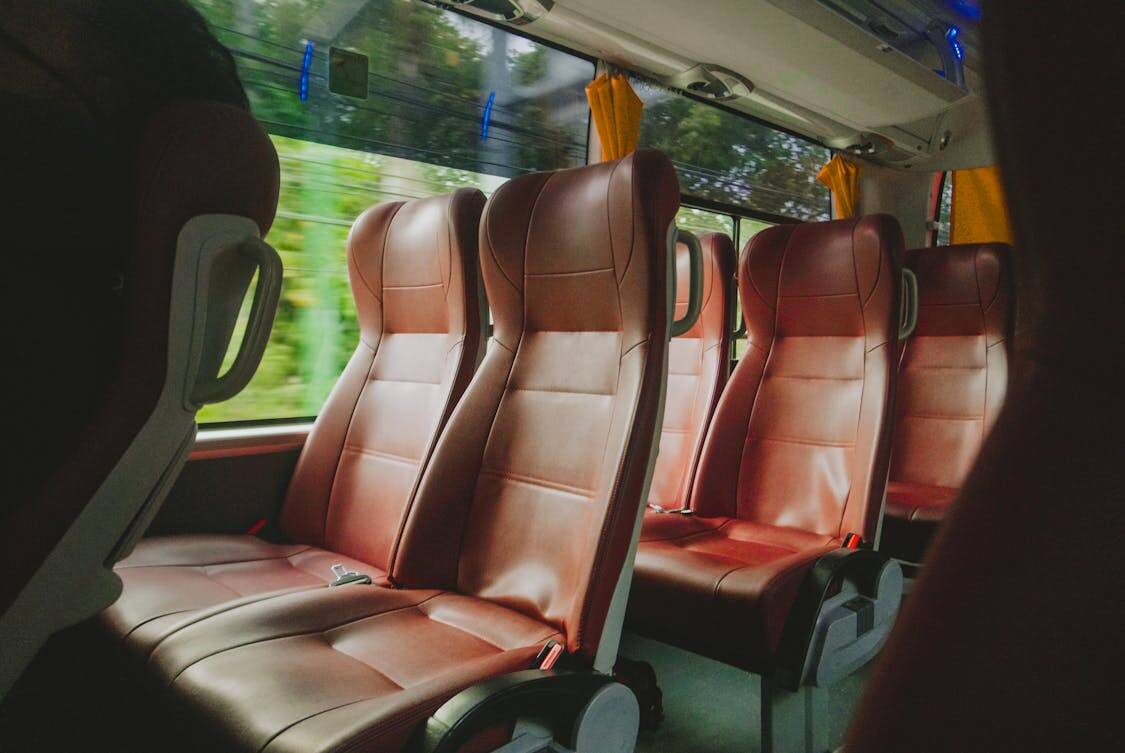
Amenity packages range from simple reclining seats and air conditioning to entertainment systems Wi Fi and onboard restrooms that can make long travel much easier.
Refreshment options include bottled water snack service or full catering arrangements when events demand a higher level of hospitality.
For some trips an attendant or tour director rides with the group to handle passenger needs manage luggage and coordinate staging at multiple stops.
Quiet zones and charging points for phones and laptops have become expected features on longer runs and those touches help keep passengers comfortable.
Safety And Compliance Standards
Routine maintenance checks clearances and inspection logs are standard practice and will be required by local transportation regulators to keep a vehicle road ready.
Safety equipment such as first aid kits fire extinguishers emergency exits and seat belts for each passenger meet code requirements and should be listed in company safety policies.
Operators often publish their safety records driver training hours and maintenance intervals so clients can review those factors before agreeing to a hire.
Cleanliness protocols have been heightened in recent seasons and include enhanced surface cleaning and available hand hygiene stations for passenger use.
Driver Qualifications And Staffing
Drivers hold commercial licenses and undergo background checks drug screenings and periodic training that includes safe driving practices passenger care and route familiarization.
Shift limits and rest requirements protect drivers and passengers by reducing fatigue on long trips and will be addressed in staffing plans for day long or overnight hires.
Some services supply additional staff such as onboard attendants load crew or a separate lead driver for multi day itineraries to keep operations smooth. Clear communication about pick up points turn around times and expected stops helps drivers plan legally compliant schedules.
Insurance And Liability Coverage
Insurance coverage should include vehicle liability passenger injury and property protection and the limits are spelled out in the rental agreement and in the certificate of insurance.
Clients often request to be named as certificate holders and to receive a copy of the insurer declaration page that lists limits and effective dates.
Indemnity clauses and hold harmless language are commonly negotiated particularly for corporate hires and special events that involve high value cargo or equipment.
Understanding the difference between primary and excess coverage helps planners assess exposure for unforeseen incidents on the day of travel.
Customization And Event Support
Event support services can include route planning permit acquisition staging and on site staff that direct boarding and luggage flow at crowded venues.
Custom signage inside and outside the vehicle helps guests find the correct bus and can be arranged for multi bus operations where confusion would slow departures.
Coordination with event planners venue managers and local authorities reduces the chance that a parking restriction or road closure will delay an itinerary.
Additional logistics such as secure storage of equipment and timed drop offs at multiple stops are common requests that experienced providers handle routinely.
Pick Up Drop Off And Routes
Pickup and drop off procedures influence timetables and passenger experience and include staging areas curbside loading time and any special access needs for the venue.
Traffic patterns peak times and local rules about stopping or parking determine how close a vehicle can approach a door and how long it can remain in place.
GPS tracking and active communication from driver to coordinator allow adjustments in real time when delays occur or when a route change is necessary.
Clear meeting points and backup plans for missed connections reduce stress for passengers and keep the whole operation moving toward its planned finish.

 Bitcoin
  Ethereum
  Dogecoin
  Litecoin