
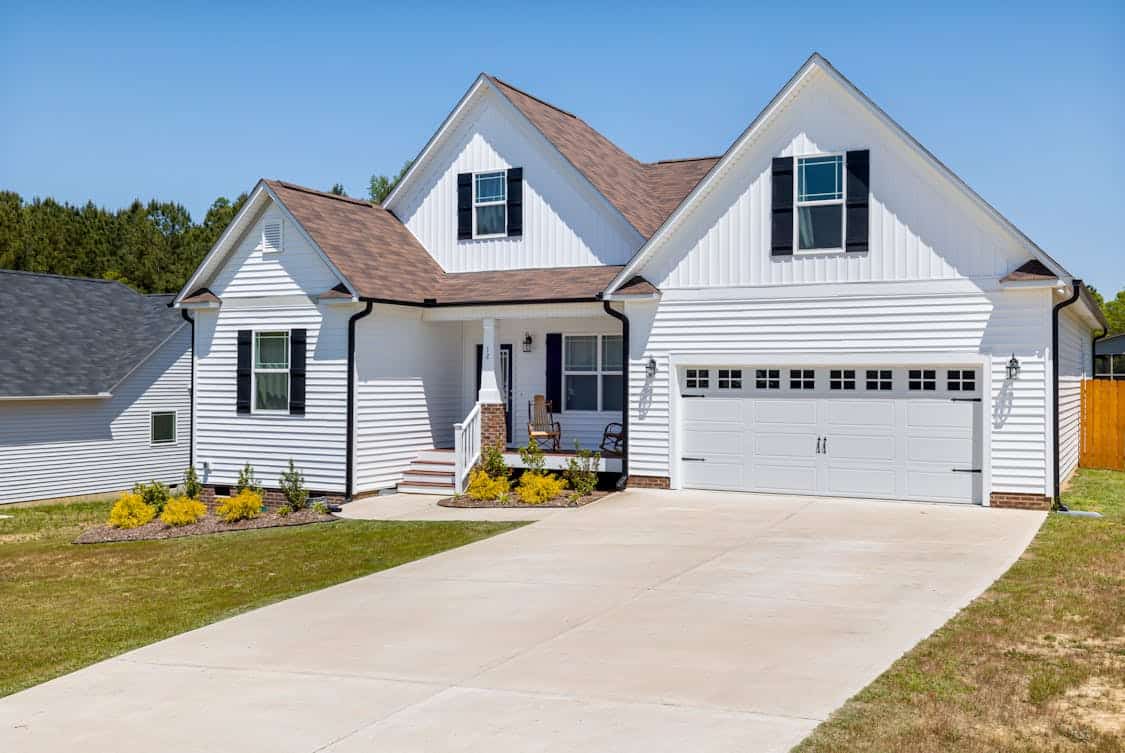

When selecting a home builder, the portfolio becomes a critical point of reference. A builder’s past projects give insight into their style, quality, and capabilities.
Yet, comparing portfolios can be overwhelming. Here are five essential tips to help streamline the evaluation process and assist in making a confident choice.
1. Evaluate Design Diversity
A well-rounded portfolio showcases a range of designs. From contemporary to traditional styles, diversity hints at a builder’s adaptability and understanding of various architectural trends. Look for homes that reflect different tastes, sizes, and functionality.
Consider how each design aligns with your vision. If you prefer a modern aesthetic, ensure the builder has completed projects that embody this look. A diverse portfolio often indicates a builder’s ability to meet varied client preferences, which can be reassuring.
As local Perth builder Aveling Homes often highlights, versatility in design is key to creating homes that truly reflect the individuality of their owners.
Pay attention to how these designs fit into their respective environments. A successful home integrates seamlessly with its surroundings, enhancing both the property and the community. This element can reveal the builder’s commitment to quality and attention to detail.
Lastly, remember that a lack of diversity might signal limitations. If a builder’s work primarily features one style, ask yourself if they can truly capture your unique vision. A well-rounded portfolio not only showcases creativity but also assures you of a builder’s versatility.
2. Inspect Quality of Craftsmanship
Quality is paramount when assessing a builder’s portfolio. Examine the finishing touches: Are the materials used top-notch? Are the lines clean, and do the details shine? Quality craftsmanship can significantly affect the durability and aesthetic of your home.
Look for signs of attention to detail. This includes everything from the precision of the trim to the alignment of tiles. These elements might seem small but can profoundly influence the overall appeal and integrity of the construction.
Request references or testimonials from previous clients to gain further insight. If past clients speak highly of the builder’s attention to quality, that’s a positive indicator. Their experiences can provide a clearer picture of what you can expect.
Reviewing photographs closely also helps. Zoom in on details and analyze the finishes. A few high-resolution images may tell you more than a broad overview and can help you spot any inconsistencies in craftsmanship.
3. Analyze Project Scale and Scope

The scale of a builder’s projects can provide useful context. Whether they specialize in single-family homes, multi-family units, or commercial spaces can guide your expectations. A builder well-versed in your desired project type is likely to deliver better results.
Consider the complexity of projects in their portfolio. Did they tackle renovations, custom builds, or large developments? A builder that has successfully managed various project scopes shows resilience and resourcefulness.
Keep an eye on timelines and budgets. A builder who consistently finishes on time and within budget demonstrates reliability. Request case studies where they navigated challenges effectively to better understand how they operate under pressure.
Lastly, make sure to look at the project’s location. Builders familiar with your desired area might have valuable insights into local regulations and building codes, which can be a significant advantage in the long run.
4. Review Client Testimonials and Reviews
Client feedback is a goldmine of information when assessing a builder. Testimonials provide a glimpse into the builder’s reliability, communication, and overall client satisfaction. Positive reviews can indicate that a builder is dedicated to their craft and values customer relationships.
Seek feedback from multiple sources. Online platforms, social media, and word-of-mouth can reveal patterns in a builder’s reputation. If numerous clients express satisfaction, it strengthens your confidence in their abilities.
Be cautious of overly glowing reviews. Look for balanced feedback that discusses both strengths and weaknesses. Genuine testimonials often mention specific details about the building process, which can provide a more nuanced understanding.
Lastly, don’t hesitate to reach out to previous clients directly. Hearing firsthand about their experiences can clarify any lingering questions and help you form a well-rounded view of the builder’s capabilities.
5. Schedule In-Person Visits
There’s no substitute for seeing a builder’s work in person. Scheduling visits to completed projects allows you to experience the quality up close. You can assess everything from the layout to the finishes and even the neighborhood’s feel.
During your visit, take notes and ask questions. Speak with the homeowners if possible; their insights can be invaluable. It’s a chance to get a feel for how the home performs in everyday life.
Observe how the builder’s designs work in real-world conditions. Are the spaces functional? Do the materials withstand time? These observations can inform how well the builder’s vision translates into living spaces.
Lastly, visiting multiple sites helps you form a comprehensive picture. Each project may showcase different strengths or weaknesses, and this variety can guide your decision. An in-person look can solidify your choice or steer you towards other options.
By employing these strategies, you can approach the selection of a home builder with greater assurance. A thoughtful evaluation of portfolios, coupled with a proactive attitude, will empower you to make an informed decision that aligns with your vision.

 Bitcoin
  Ethereum
  Dogecoin
  Litecoin