
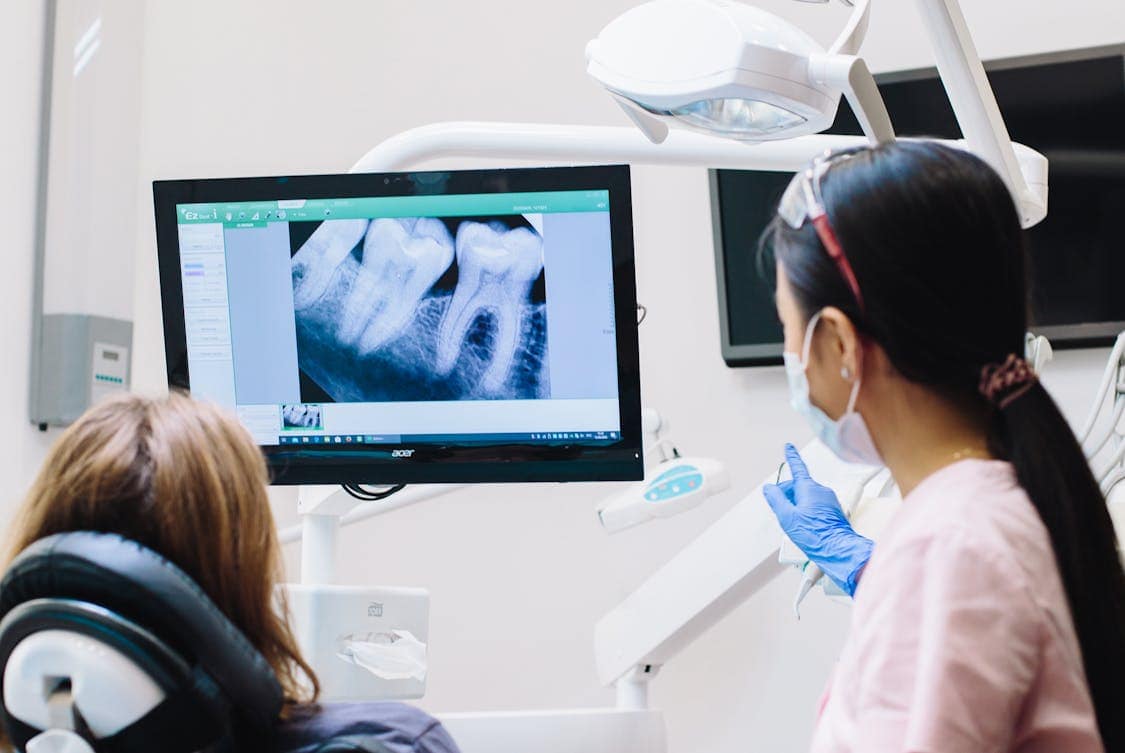

Artificial Intelligence (AI) is increasingly making its mark across various sectors, and dentistry is no exception.
As dental practices adapt to the digital landscape, many are employing AI solutions to streamline operations, enhance patient care, and improve diagnostic accuracy. But how profound is this transformation?
Diagnostic Improvements
AI tools are changing the way dental professionals diagnose conditions. Traditional methods often rely on visual inspections and patient history.
However, AI systems can analyze radiographs and images with remarkable precision, detecting issues that might go unnoticed by the human eye. These systems utilize machine learning algorithms trained on vast datasets, resulting in enhanced accuracy.
For instance, consider AI software that reviews X-rays. It can identify cavities, periodontal disease, and even early signs of oral cancers.
The speed and reliability of these systems not only bolster the confidence of dental professionals but also assist in educating patients about their conditions.
Enhanced Patient Experience
The patient experience is another area witnessing significant improvement thanks to AI. Automated appointment scheduling, reminders, and follow-up communications minimize the back-and-forth that often accompanies traditional scheduling methods.
Patients can interact with chatbots for quick answers to common queries, providing immediate assistance without the need for staff intervention.
Moreover, AI-driven analytics can help practices customize treatment plans based on individual patient data. This personalized approach fosters a deeper connection with patients, potentially leading to higher satisfaction rates and improved retention.
Predictive Analytics
Predictive analytics is a game changer in anticipating patient needs and behaviors. By leveraging historical data, AI systems can forecast which patients are at risk of certain conditions based on factors like age, medical history, and lifestyle choices.
This allows dentists to proactively reach out to patients for preventive care, significantly improving oral health outcomes.
For example, if data indicates a trend of increased cavity rates among a specific demographic, a practice can focus its outreach efforts on that group. This proactive stance may prevent more severe issues, contributing to better overall patient health.
Treatment Planning and Simulation
AI is not just about diagnosis; it’s also reshaping how treatment plans are developed. Advanced software can simulate various treatment scenarios, helping dentists visualize outcomes based on different methods.
With this insight, professionals can choose the most effective treatments while discussing options in a more informed manner with their patients.
Imagine a scenario where a dentist can present a virtual model illustrating the likely results of different orthodontic treatments. This not only enhances understanding but also empowers patients to make informed choices about their care.
Inventory Management

Managing supplies and equipment is essential for any dental practice. AI systems can track inventory levels, predict usage patterns, and alert staff when it’s time to reorder supplies.
This ensures that practices are well-stocked without over-ordering, which can tie up capital unnecessarily.
Through machine learning algorithms, inventory management systems become increasingly accurate over time. They learn from past ordering patterns and seasonal trends, ultimately leading to improved efficiency.
Staff Training and Development
AI is also playing a crucial role in staff training. Virtual reality (VR) and AI-powered simulations can create realistic scenarios for dental professionals to practice their skills.
These technologies allow staff to hone their abilities in a safe environment before treating actual patients.
In multi-branch dental groups, ensuring consistent skills across teams can be easier by implementing the same technology at different locations, which standardizes training and improves overall service quality.
Moreover, AI can assess performance in real-time, offering valuable feedback that helps professionals improve their techniques. This continuous learning aspect fosters a culture of excellence within dental practices.
Marketing Strategies
In the competitive dental market, effective marketing is key. AI tools can analyze consumer behavior, website traffic, and social media engagement to help practices refine their marketing strategies.
By understanding patient preferences and trends, dentists can tailor their messages for maximum impact.
AI-driven analytics can identify which promotions resonate most with patients, allowing practices to focus their resources on successful campaigns. This strategic approach can lead to increased patient acquisition and retention.
Security and Compliance
With the rise of digital data comes the responsibility of safeguarding that information. AI systems can enhance security by monitoring for unusual activities and ensuring compliance with regulations like HIPAA.
These tools can detect potential breaches in real-time, allowing practices to respond swiftly and minimize risks.
Furthermore, AI can help streamline the documentation process, ensuring that patient records are accurate and up to date. This reduces the likelihood of errors, which can have significant implications for patient care.
Challenges and Concerns
While the benefits of AI in dentistry are substantial, challenges remain. One concern is the initial investment required to implement AI technologies.
Smaller practices may struggle to adopt these innovations due to financial constraints or lack of technical expertise.
Additionally, there is a hesitation among some practitioners regarding reliance on AI for critical decisions. Trusting algorithms can be a leap for those accustomed to traditional methods.
An ongoing dialogue about the role of AI in clinical decision-making is crucial for easing this transition.
The Future of AI in Dentistry
Looking ahead, AI’s role in dentistry is likely to expand. Advancements in machine learning and data analytics will continue to refine diagnostic tools and treatment planning.
Integrating AI with other technologies, like telehealth, will further enhance patient care, making dental services more accessible.
Furthermore, ongoing research is essential to validate AI systems in various applications, ensuring they meet high standards of efficacy and safety.
Collaborations between dental professionals and AI developers will foster innovations that address real-world challenges faced by practices every day.

 Bitcoin
  Ethereum
  Dogecoin
  Litecoin