
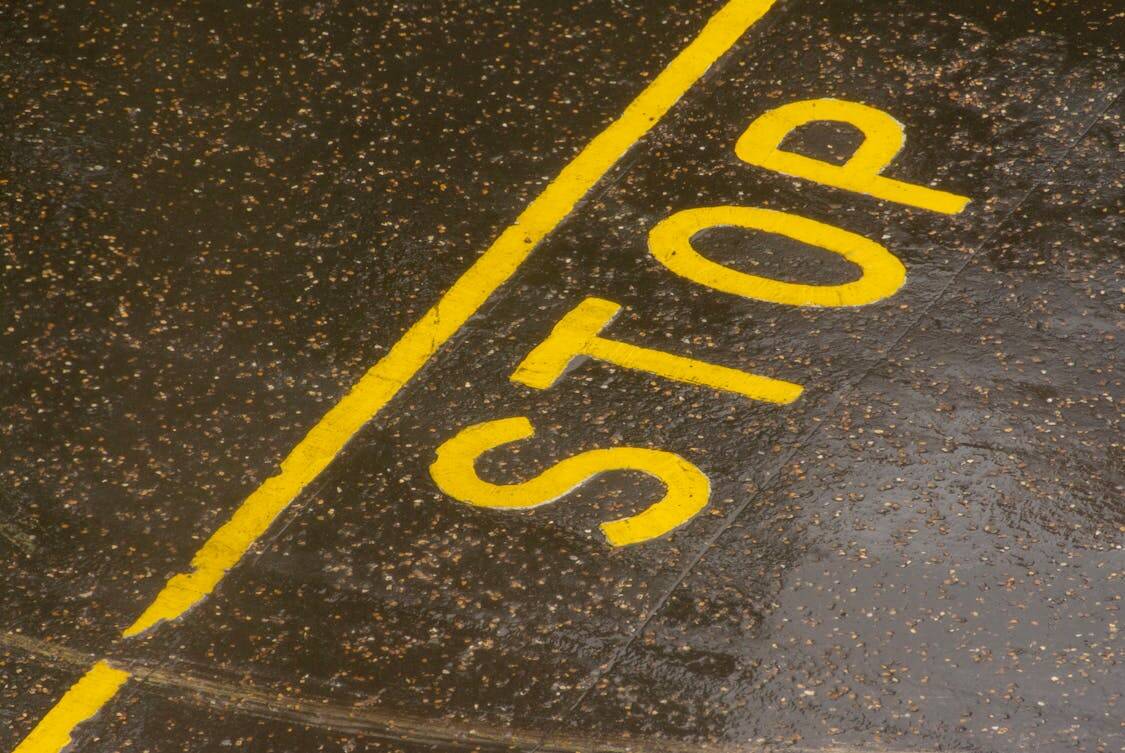

Linemarking is often an overlooked aspect of infrastructure management, yet its significance cannot be overstated. From roadways to parking lots, well-maintained linemarking ensures safety and clarity.
Ignoring linemarking maintenance is a blunder that can lead to a host of problems, impacting not only the aesthetic appeal but also the functionality of spaces. Here’s a deep dive into why skipping this maintenance task is a costly oversight.
Safety First: The Core Reason for Linemarking
When one thinks about road safety, linemarking frequently takes a back seat in the conversation. Yet, these markings play an essential role in preventing accidents.
They guide drivers, cyclists, and pedestrians, providing crucial visual cues that help everyone navigate shared spaces. Faded lines or missing markings can confuse road users, resulting in collisions or near misses.
Consider an intersection devoid of clear markings. Drivers may hesitate or misjudge distances, increasing the risk of accidents.
Ensuring that linemarking is in top shape directly correlates with enhanced safety for all users. Without regular maintenance, the risk factors elevate, creating hazardous conditions that are easily avoidable.
Compliance with Regulations
Every jurisdiction has specific regulations regarding road and parking lot markings. Neglecting linemarking maintenance can lead to non-compliance, resulting in fines or legal repercussions.
Local authorities often conduct inspections to ensure that public roads meet safety standards, and failing to maintain linemarking can prompt significant penalties.
Additionally, businesses that skip linemarking upkeep may face challenges with liability insurance. In the event of an accident, insurers may scrutinize the condition of linemarking.
If the markings are found to be inadequate, it could lead to claims being denied. Regular maintenance safeguards against these risks, ensuring compliance with safety regulations and peace of mind.
The Cost of Neglect
Skipping linemarking maintenance can lead to costly repairs down the line. When markings fade, they might require complete reapplication rather than a simple touch-up.
Over time, neglect can lead to the need for more extensive repairs, including resurfacing or repainting entire areas. This not only incurs higher costs but also disrupts traffic flow.
Investing in regular maintenance is far less expensive than dealing with the consequences of neglect. Consider how a small allocation of funds for maintenance can save hundreds or thousands in the long run.
For guaranteed precision, durability, and compliance, many property owners trust a reputable Brisbane line marking company to handle the job right the first time.
Aesthetic Appeal and First Impressions
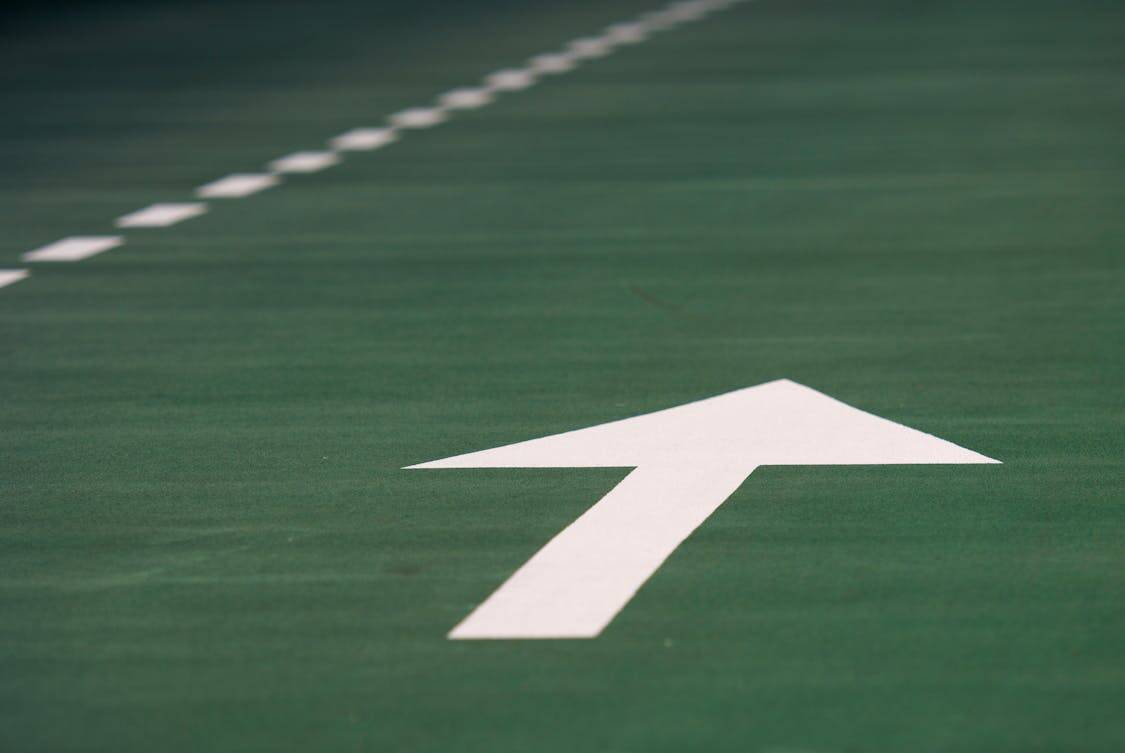
Imagine driving through a community or business area that features faded and peeling linemarking. The overall aesthetic is compromised, creating a negative impression.
First impressions matter, whether for visitors, clients, or residents. Well-maintained linemarking contributes to the overall appeal of a space, making it look polished and professional.
On the flip side, neglected linemarking can send a signal of disregard. This may impact property values and deter potential customers or visitors.
A little attention to linemarking can go a long way in enhancing perceptions and maintaining a high standard of appearance.
Environmental Impact of Linemarking Choices
The materials used in linemarking can also have environmental implications. Many modern linemarking products are designed to be eco-friendly, reducing environmental footprint.
However, when maintenance is deferred, there’s a risk of using more harmful products for quick fixes or replacements.
Regular maintenance encourages the use of durable, sustainable products. Choosing better materials contributes to a greener environment, and a commitment to sustainability resonates with an increasingly eco-conscious public.
Skipping on maintenance may inadvertently lead to wasteful practices that counteract these efforts.
Effects on Property Value
For property owners, neglected linemarking can translate to diminished property value. Whether it’s a commercial establishment or a residential area, potential buyers and tenants evaluate the care given to the surroundings.
Faded, unclear linemarking may suggest a lack of maintenance in other areas, leading to hesitance in investment.
Conversely, well-maintained linemarking enhances curb appeal. It signals that the property is cared for and that safety is a priority. By investing in regular linemarking upkeep, owners can preserve and even boost the value of their assets.
Productivity and Efficiency
In busy commercial environments, clear linemarking enhances operational efficiency. Consider a parking lot at a retail store.
When linemarking is clear, customers can park quickly and navigate the space without confusion. This smooth flow not only improves customer satisfaction but also aids employees in conducting their duties efficiently.
Conversely, disorganized or unclear linemarking can lead to congestion and frustration, slowing down operations. Regular maintenance of linemarking keeps traffic flowing, reducing delays and enhancing overall productivity.
The Role of Technology in Maintenance
The advent of technology has introduced various solutions for linemarking maintenance. Smart sensors can monitor the condition of linemarking, alerting property managers when maintenance is required.
This proactive approach ensures that linemarking remains in optimal condition, reducing the likelihood of neglect.
Incorporating technology into maintenance strategies represents a forward-thinking approach. It not only improves efficiency but also helps in managing budgets more effectively.
Skipping on maintenance means missing out on technological advancements that could simplify the process.
Community Responsibility
Linemarking is not just the responsibility of individual property owners; it impacts the entire community. Clear and well-maintained markings contribute to the overall safety and functionality of public spaces.
When one neglects their linemarking duties, it affects others in the vicinity.
Communities thrive when all stakeholders take responsibility for the shared environment. By maintaining linemarking, individuals and businesses show their commitment to the community’s welfare.
This collective responsibility fosters a sense of pride and belonging among residents.
The Ripple Effect of Neglect
Imagine the ripple effect of skipping linemarking maintenance. It begins with one faded line, leading to confusion, accidents, and frustration.
Over time, this neglect can contribute to a cycle of disrepair, prompting more issues down the line. It’s a chain reaction that can affect not just one area but entire neighborhoods.
Regular maintenance serves as a preventative measure. By addressing linemarking needs promptly, the cycle of neglect is disrupted, fostering a safer and more organized space for everyone.
Cost-Effective Solutions
For those worried about budget constraints, there are cost-effective solutions for linemarking maintenance. DIY options and community initiatives can help share the responsibility.
Engaging with local businesses or organizations can create a collaborative effort, making maintenance more affordable and achievable.
Investing in linemarking maintenance is not just about the present; it’s a long-term strategy that pays off in safety and aesthetic value. Simple solutions often yield significant results, reinforcing the importance of caring for linemarking.
The Importance of Regular Audits
Conducting regular audits of linemarking is essential in identifying issues before they escalate. These assessments can pinpoint fading lines, necessary repairs, and areas requiring attention.
Establishing a routine schedule for audits can lead to timely interventions, ensuring that linemarking remains effective.
Focusing on audits promotes a culture of maintenance. It signals to everyone involved that linemarking is a priority, enhancing both safety and appearance.
Engaging the Community in Maintenance
Involving the community in linemarking maintenance can create a sense of ownership. Organizing community cleanup days or educational workshops can raise awareness about the importance of linemarking.
This engagement not only encourages participation but also fosters a shared commitment to maintaining safe and presentable spaces.
Communities thrive when residents take an active role in their environment. By working together, the collective effort can lead to significant improvements and foster a stronger sense of community.
Neglecting linemarking maintenance isn’t just a small oversight; it has wide-reaching implications. From safety and compliance to property values and community engagement, the reasons for prioritizing this task are compelling.
By staying vigilant and proactive, everyone can contribute to safer, more appealing spaces.

 Bitcoin
  Ethereum
  Dogecoin
  Litecoin